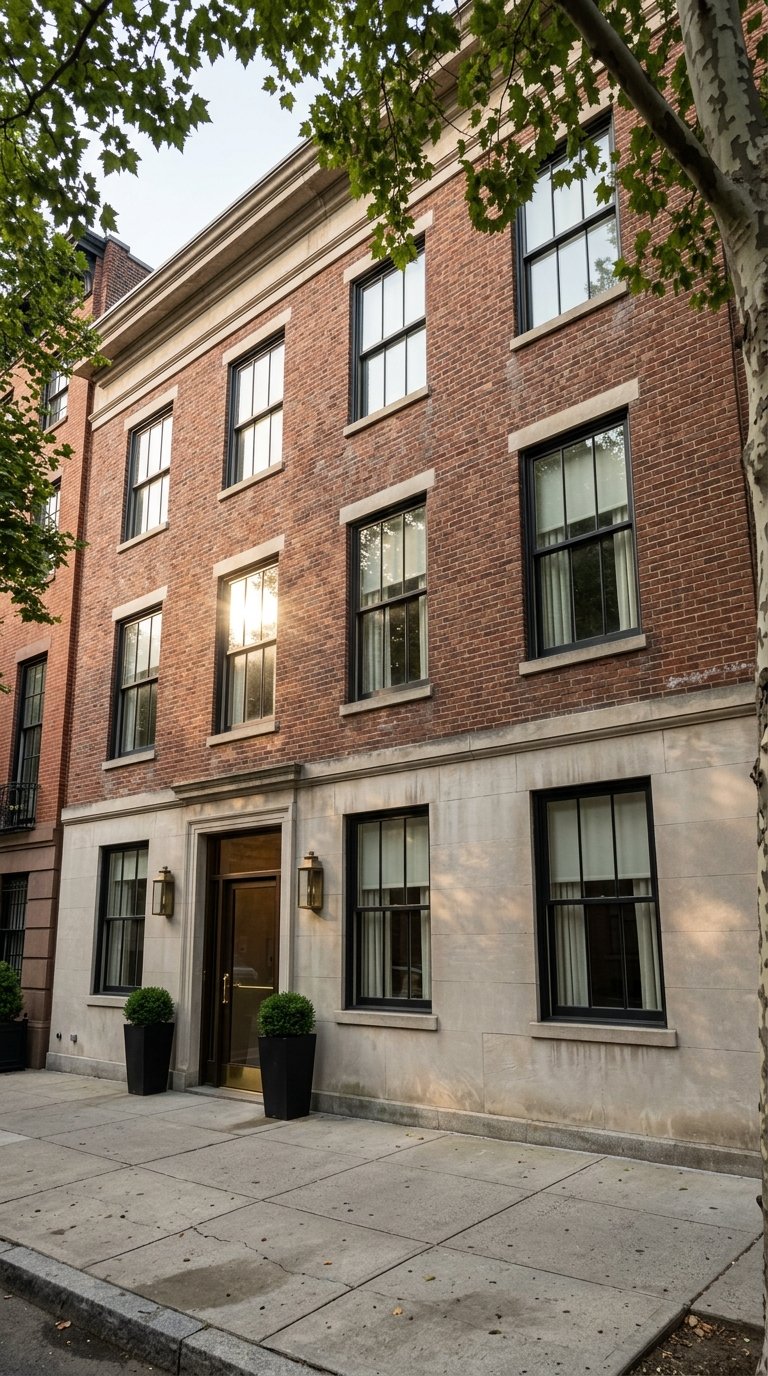
Choosing between Riverside Drive and Central Park West is not just about picking a famous Upper West Side address. It is about deciding how you want the neighborhood to feel when you step outside each day. If you are comparing listings on both corridors, this guide will help you understand the setting, building character, park access, and day-to-day atmosphere so you can weigh the tradeoffs with more clarity. Let’s dive in.
Two iconic Upper West Side settings
Riverside Drive and Central Park West are both landmark Upper West Side corridors, but they frame the neighborhood in very different ways. Riverside Drive follows the Hudson-facing edge of the Upper West Side, while Central Park West borders the west side of Central Park.
That difference shapes the experience of each address. Riverside Drive is more closely tied to the river, elevation changes, and a curving scenic layout. Central Park West reads as a more formal parkfront boulevard with direct frontage on one of the city’s best-known public spaces.
Riverside Drive: river views and curves
Riverside Drive was created as a tree-lined drive that curves around valleys and rock outcroppings while overlooking the Hudson River. Its layout breaks from Manhattan’s regular street grid, which gives parts of the avenue a more varied and scenic character.
That topography matters when you are comparing homes. A Riverside Drive address may feel more buffered from the city grid and more connected to the landscape. For many buyers, that creates a quieter, more residential impression.
A corridor with varied architecture
Riverside Drive developed first with single-family townhouses, rowhouses, and some freestanding mansions. Luxury apartment buildings arrived later as the avenue matured.
As a result, Riverside Drive tends to show a more mixed building profile. You may see townhouse-scale homes, mansion-scale structures, and notable apartment houses along the same broader corridor. The avenue’s scenic design is part of why that mix feels cohesive rather than uneven.
Park access on multiple levels
Riverside Park is more layered than many people expect. The park includes a significant grade change from Riverside Drive down toward the Hudson waterfront, with multiple levels of parkland and river views.
That gives the park a distinct rhythm. Some areas are quiet and passive, while others include tennis, playgrounds, and open riverfront spaces. The stretch from 72nd to 125th Streets was designated a scenic landmark in 1980, which helps explain why this section remains so visually consistent.
Riverside Park South adds a newer note
On the southern end, Riverside Park South adds a somewhat different feel. Created from the former rail-yard site between 59th and 72nd Streets, it now offers gardens and open river views.
If you are looking at listings in the lower part of Riverside Drive, this can be an important detail. The experience there may feel more contemporary than along the older historic park further north.
Central Park West: classic boulevard presence
Central Park West offers a different kind of Upper West Side identity. It forms the neighborhood’s western edge against Central Park, creating a broad, formal frontage that has long been associated with some of Manhattan’s best-known residential buildings.
If Riverside Drive feels shaped by topography and river outlooks, Central Park West feels shaped by architectural procession and immediate park access. For many buyers, that means a stronger sense of arrival.
A skyline defined by pre-war apartments
Central Park West developed later and faster as a boulevard of elegant tall apartment buildings, with institutional buildings mixed into the streetscape. Landmark reports describe a range of architectural styles, including Romanesque Revival, neo-Italian Renaissance, neo-French Renaissance, and neo-Gothic.
It is also closely associated with towered luxury apartment houses such as the Dakota, the Beresford, the San Remo, and the El Dorado. In simple terms, Central Park West is the corridor most people picture when they think of the classic pre-war apartment boulevard.
Direct access to Central Park
Central Park stretches from 59th to 110th Street between Fifth Avenue and Central Park West and is open daily from 6:00 a.m. to 1:00 a.m. The park’s southwest gateway at 59th Street, known as Merchants' Gate, is described as the park’s most popular entrance.
West-side access is supported by the 1, 2, 3, B, and C subway lines, along with the M10 and M72 buses. Merchants' Gate Plaza also includes a staffed visitor kiosk and restrooms. If daily access to Central Park is central to your routine, Central Park West makes that connection immediate and legible.
How the daily feel differs
For many buyers, the biggest distinction is not the architecture alone. It is how each address feels in motion.
Riverside Drive often reads as quieter and more residential because of its river edge, curving alignment, and layered park relationship. Central Park West often feels more active and destination-oriented because it fronts a larger interior park system and one of Manhattan’s most recognized boulevards.
Neither is better in the abstract. The better fit depends on whether you value river outlooks and a slightly more secluded feel, or classic parkfront presence and a stronger connection to the energy of Central Park.
What to look for in a listing
When you compare listings on these two corridors, it helps to look past the address alone. The same asking price can represent a very different kind of living experience depending on the block, orientation, and building type.
Here are a few practical ways to frame the comparison:
Choose Riverside Drive if you value
- Hudson outlooks and a river-oriented setting
- A scenic road with curves and changing topography
- A more varied housing profile that can include townhouses or mansion-scale buildings
- A quieter park relationship with layered waterfront access
Choose Central Park West if you value
- Direct frontage on Central Park
- A formal boulevard setting with classic pre-war identity
- Towered apartment-house architecture and a strong skyline presence
- Immediate access to the park’s west-side entrance system and transit connections
Historic character matters on both
Both corridors sit within or alongside areas recognized by the New York City Landmarks Preservation Commission. That helps explain why their streetscapes remain so coherent and why exterior character is a meaningful part of their appeal.
For a buyer, that consistency can influence how a block feels over time. For a seller, it can also shape how a property is positioned, especially when architectural setting is part of the value story.
Which address fits your priorities?
If you are drawn to a more river-buffered and topographic setting, Riverside Drive may be the better match. If you want the formality and visibility of a classic park-boulevard address, Central Park West may feel more aligned.
In practice, the decision often comes down to what you want your home to face and how you want the neighborhood to unfold around you. On the Upper West Side, these are two prestigious addresses, but they tell two distinct stories.
If you are weighing a purchase, sale, or discreet property search in Manhattan, Francine Crocker offers measured, high-touch guidance shaped by market context, negotiation discipline, and a long-term view of value.
FAQs
What is the main difference between Riverside Drive and Central Park West on the Upper West Side?
- Riverside Drive is defined by its Hudson-facing, curving scenic layout and layered relationship to Riverside Park, while Central Park West is a formal boulevard directly fronting Central Park.
Which address has more classic pre-war apartment buildings, Riverside Drive or Central Park West?
- Central Park West is more closely associated with the classic pre-war apartment boulevard and towered luxury apartment houses, while Riverside Drive tends to show a more mixed building profile.
How does park access differ between Riverside Drive and Central Park West?
- Riverside Drive connects to the multi-level landscape of Riverside Park and the waterfront, while Central Park West offers direct access to Central Park and its west-side entrances, transit, and visitor services.
Does Riverside Drive feel quieter than Central Park West?
- Based on the park layout, street design, and access patterns described in official sources, Riverside Drive usually feels quieter and more residential, while Central Park West often feels more active and destination-oriented.
What should buyers compare when choosing between Riverside Drive and Central Park West?
- You should compare setting, building type, park relationship, outlook, and how each corridor fits your daily routine rather than relying on the street name alone.