You do not have to spend long in the West Village to understand why it leaves such a strong impression. The streets feel smaller, the pace feels calmer, and daily life seems to unfold at sidewalk level instead of rushing past you. If you are curious about what living here really feels like, this guide will walk you through the neighborhood’s streets, housing, green spaces, and everyday rhythm. Let’s dive in.
What makes West Village feel different
The West Village reads as a largely residential part of Lower Manhattan, shaped by historic row houses, tree-lined streets, and local-serving retail at ground level. That mix helps create a more intimate, day-to-day rhythm than you find in many nearby commercial areas.
The side streets play a big role in that feeling. They are narrower than the avenues and often shaded by street trees, which makes the neighborhood feel slower and more pedestrian than the surrounding corridors.
That does not mean the area feels sleepy. The West Village BID describes the district as culturally rich and commercially vibrant, with a focus on sanitation, greening, public safety ambassadors, marketing, and foot-traffic management. In practical terms, that helps support a neighborhood that feels cared for and consistently active.
Cobblestones and old-street texture
Part of the West Village appeal comes from details that are easy to feel, even if they are harder to measure. The streetscape has an older, more layered texture than many parts of Manhattan, and that texture shapes how the neighborhood is experienced on foot.
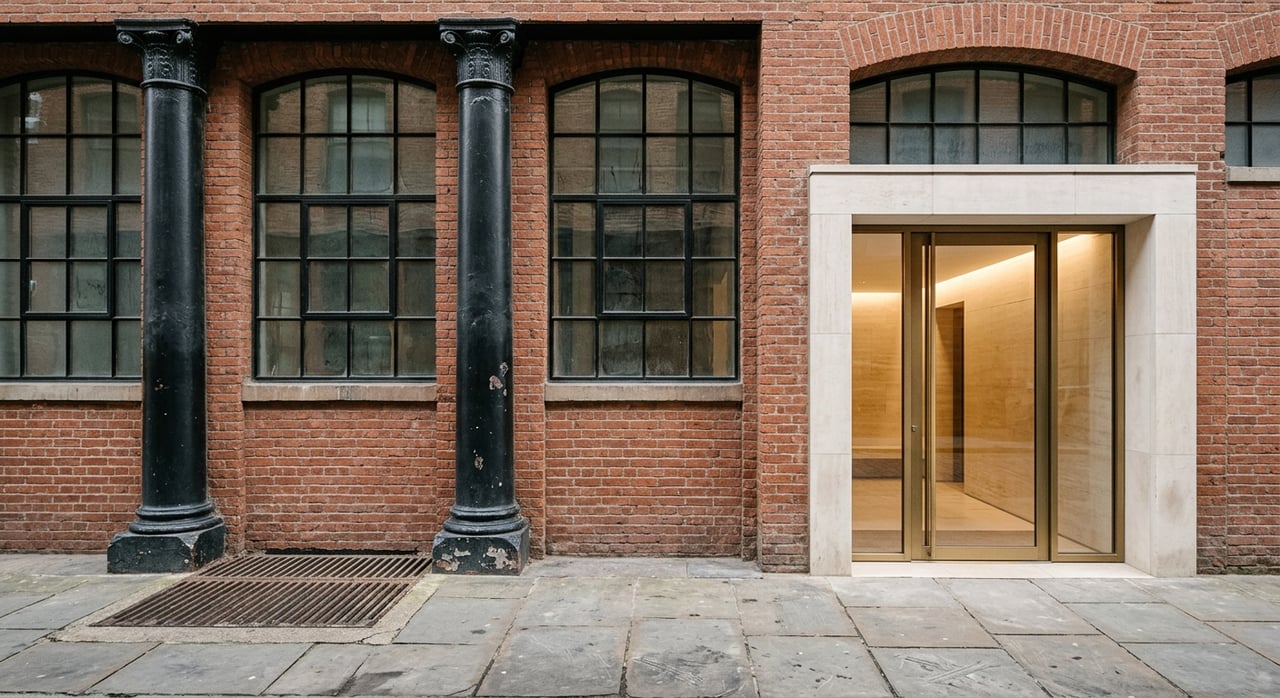
Community Board 2 minutes specifically identified the cobblestone street at Charles Lane as a historic feature. The Weehawken Street Historic District also preserves a waterfront streetscape tied to dwelling, industry, and commerce from 1830 to 1938.
These details matter because they create a sense of continuity. When people talk about the West Village feeling distinctive, they are often responding to this preserved street pattern, human scale, and visible history.
Courtyards, small parks, and hidden pauses
The West Village is not defined by one giant park in its center. Instead, its open-space network is made up of smaller, scattered public spaces that create short, useful pauses throughout the neighborhood.
City planning materials identify spaces such as Seravalli Playground, Abingdon Square, Bleecker Street Playground, Jackson Square, Christopher Park, and the playground on Greenwich Avenue opposite Charles Street. These are the kinds of places that support everyday neighborhood use rather than destination-style visits.
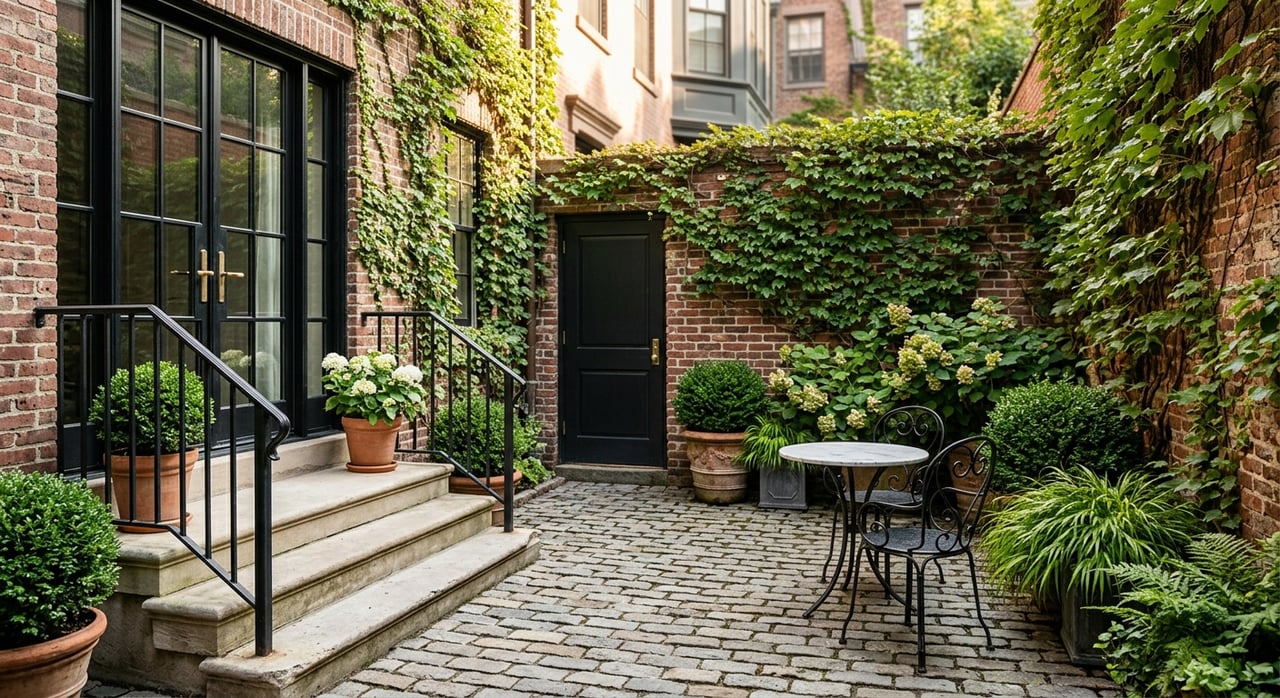
That pattern is one reason the idea of “courtyards” fits the West Village so well. It works as shorthand for the neighborhood’s intimate scale, where small courts, narrow blocks, and tucked-away greens matter more than formal grand spaces.
Hudson River Park extends the neighborhood
While the interior of the neighborhood is shaped by pocket parks, Hudson River Park provides the West Village with its strongest continuous green edge. For many residents, that waterfront access changes how the neighborhood lives day to day.
The Apple Garden is part of the West Village park area, and Pier 46 at the end of Charles Street offers a turf lawn, river views, and informal recreation space. Those features give you a direct transition from historic side streets to open sky and waterfront paths.
Hudson River Park runs four miles along Manhattan’s west side and receives more than 17 million visits a year. For the West Village, that scale makes the waterfront feel less like a distant amenity and more like an extension of neighborhood living.
Café life and local storefront rhythm
The West Village has long been associated with cafés, restaurants, and strolling, and official planning materials support that picture. They describe the local retail base as restaurants, retail businesses, neighborhood services, and eating-and-drinking establishments.
That mix shapes how errands and leisure often blend together here. You are just as likely to picture a short walk, a casual stop, and some browsing as you are a purely functional trip from one point to another.
The West Village BID’s focus on storefront vitality and foot traffic reinforces that identity. It helps explain why the neighborhood often feels built around repeat visits, familiar corners, and time spent lingering rather than simply passing through.
What kinds of homes are in West Village
Housing in the West Village is varied, but it follows a pattern that feels consistent with the neighborhood’s scale. City planning sources describe a mix that ranges from three- to four-story townhouses and rowhouses to apartment buildings of five to 13 stories.
You will generally see larger buildings on the broader streets and avenues. On the narrower side streets, the experience is often more low-rise and detail-rich.
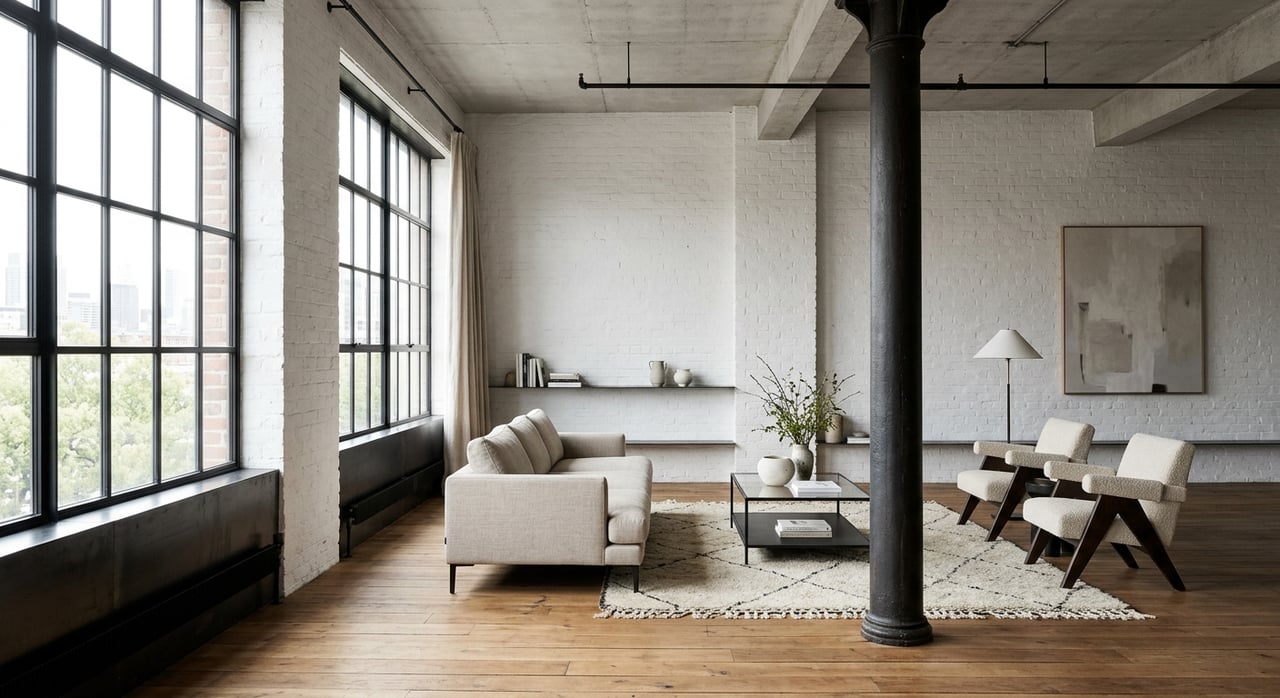
On the Far West Village edge, the housing mix expands further. Planning materials note converted loft buildings, 19th-century row houses, the 42 six-story buildings of West Village Houses, Westbeth artists’ housing, and some newer, taller residential buildings.
For many buyers, that means the West Village image is real, but it is not one-note. You can find classic rowhouse character, apartment living, loft-style spaces, and newer construction, especially toward the edges and along West Street.
Why the neighborhood feels so intact
A big reason the West Village feels visually consistent is preservation. Much of the area sits within historic districts, and the Landmarks Preservation Commission explains that historic districts are collections of landmark buildings that create a distinct sense of place.
For property owners, that context matters. Owners generally need LPC approval for most exterior changes, which helps explain why so many blocks retain their architectural rhythm over time.
From a buyer or seller perspective, this can shape both expectations and value perception. The result is a neighborhood where architectural character is not accidental. It is reinforced by regulation as well as market appeal.
How to think about West Village living
If you are considering the West Village, it helps to think less in terms of a single headline feature and more in terms of daily experience. This is a neighborhood where scale, texture, and repetition matter.
You notice the narrower streets, the row houses, the pocket parks, the local storefronts, and the access to the waterfront. None of those pieces works alone. Together, they create a version of Manhattan living that feels unusually intimate.
That is also why the West Village continues to appeal to buyers looking for character and to sellers whose homes benefit from architectural context. In a city defined by constant change, the neighborhood’s sense of continuity is part of its value.
If you are evaluating a West Village purchase, preparing a townhouse or apartment for sale, or comparing this neighborhood with other Manhattan options, measured local guidance can make the process clearer. To discuss your goals with a discreet, high-touch advisor, contact Francine Crocker.
FAQs
What does living in the West Village feel like day to day?
- Living in the West Village often feels more residential and pedestrian-oriented than nearby commercial areas, thanks to narrower tree-lined side streets, local-serving retail, and a slower street rhythm.
What kinds of homes are common in the West Village?
- Common West Village housing includes rowhouses, townhouses, apartment buildings, loft conversions, West Village Houses, Westbeth, and some newer taller buildings near the edges.
Where can West Village residents find green space?
- West Village residents have access to pocket parks such as Abingdon Square, Jackson Square, and Christopher Park, along with Hudson River Park, the Apple Garden, and Pier 46.
Why does the West Village have such a preserved look?
- The West Village has a preserved look because much of the area is within historic districts, where the Landmarks Preservation Commission generally reviews most exterior changes.
Is the West Village only known for restaurants and cafés?
- No. In addition to restaurants and cafés, the neighborhood includes retail businesses, neighborhood services, small parks, historic streetscapes, and a strong residential character.