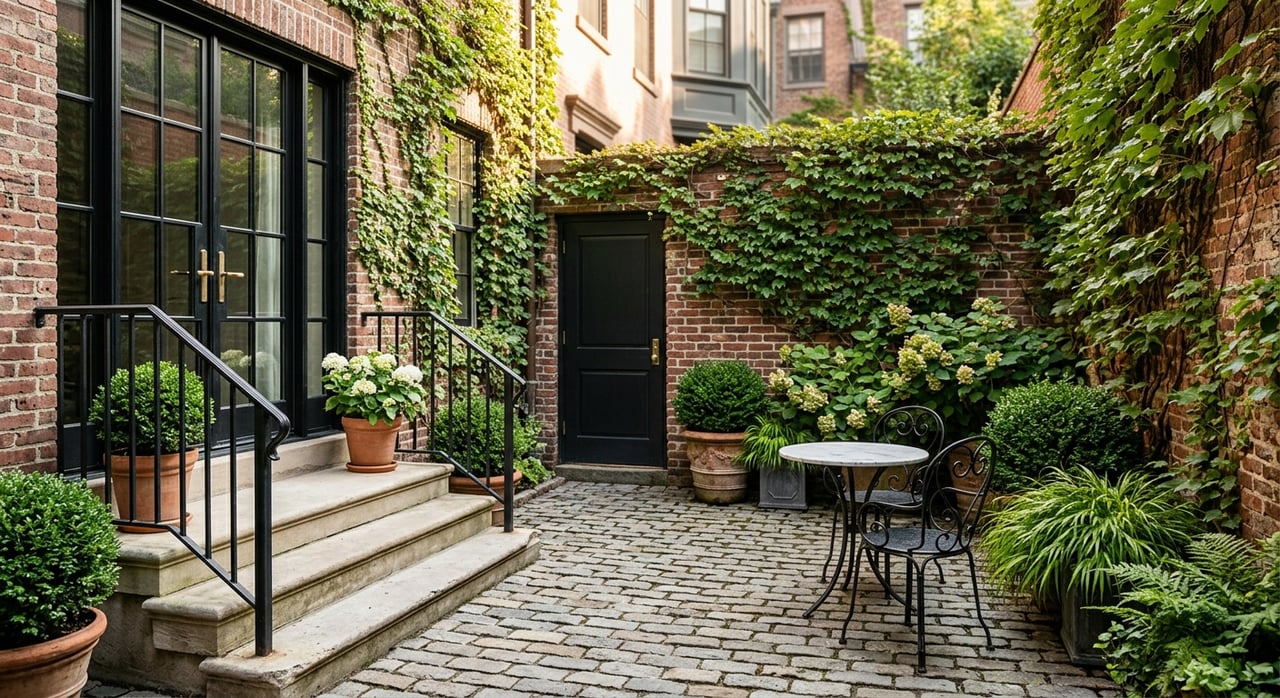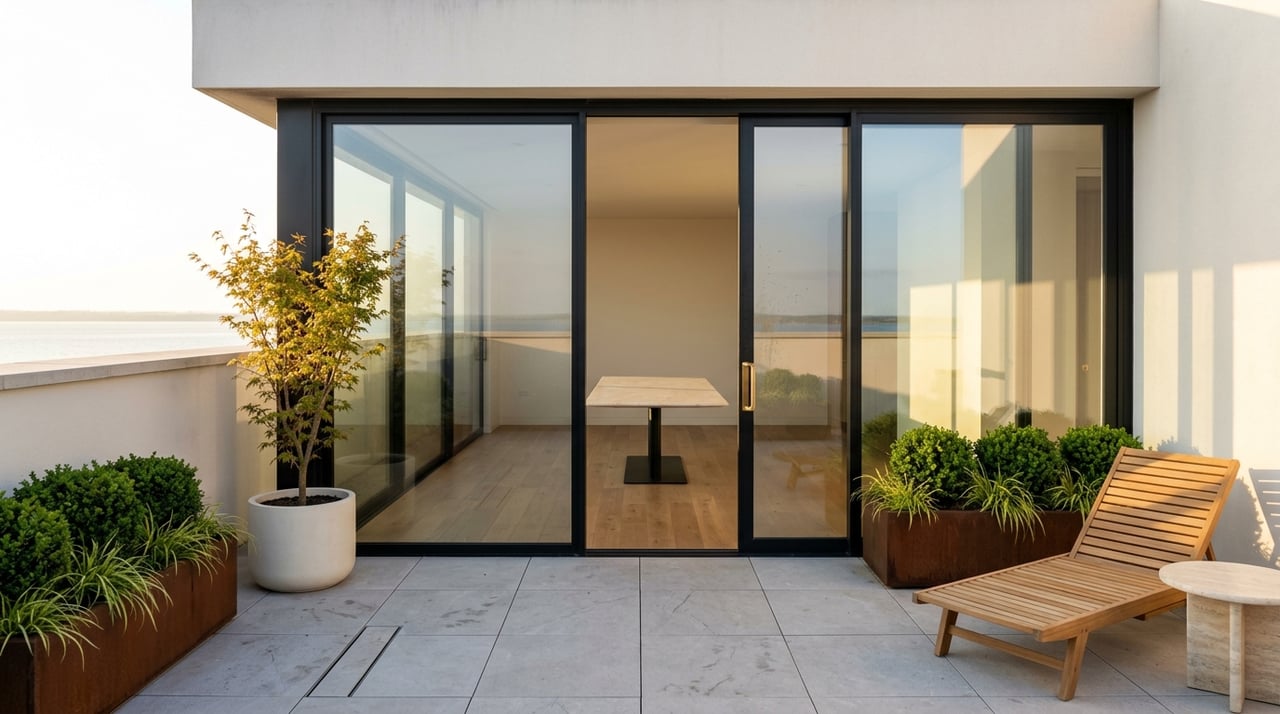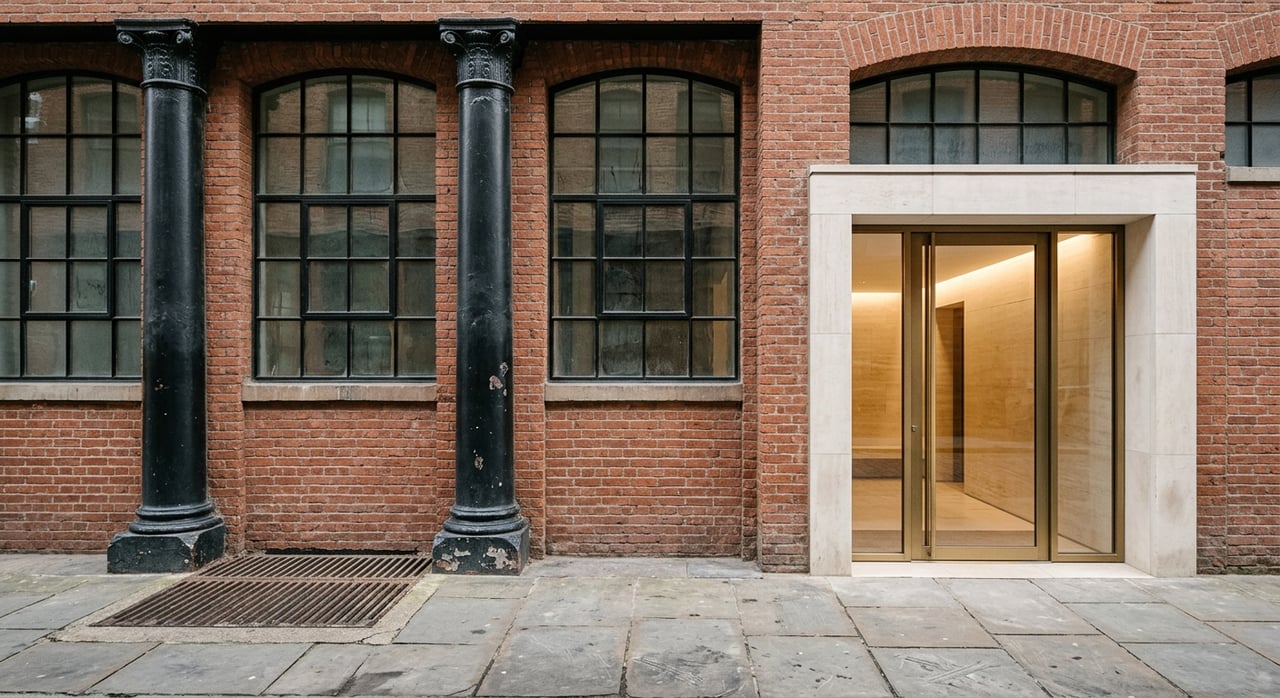
If you are weighing a sleek new condo against a classic Tribeca loft, you are asking the right question. In this part of Manhattan, the choice is not just about finishes or age. It shapes your daily living experience, your carrying costs, your renovation options, and your long-term resale position. This guide will help you compare Tribeca new developments and historic lofts with a clear, practical lens. Let’s dive in.
Why this choice matters in Tribeca
Tribeca is not a neighborhood with endless interchangeable inventory. City planning materials describe it as a preservation-heavy area defined by late 19th- and early 20th-century loft buildings, often with large floor plates and floor-through layouts. Much of the neighborhood also sits within designated historic districts, which helps explain why authentic loft inventory remains limited.
That scarcity matters in a high-end market. A recent Redfin snapshot placed the median sale price in Tribeca at $3,893,690 in May 2026, with homes taking an average of 77 days to sell. At that price point, details like layout, ceiling height, monthly costs, and building type can have an outsized effect on both your lifestyle and future resale.
What a Tribeca new development offers
New development in Tribeca tends to appear where new construction is more feasible, especially on underbuilt or rezoned parcels, including parts of West Street. That often means a more contemporary product with a more standardized layout than a classic converted loft. If you want a turnkey home and a more amenity-forward experience, that may be appealing.
Many buyers are drawn to sponsor condos because the homes are newly delivered and often designed for immediate occupancy. You may find detailed finish packages, appliance schedules, and amenity offerings that support an easier move-in. The trade-off is that you should verify every promised feature carefully.
The offering plan is central
In New York, a sponsor purchase is governed by an offering plan. According to the New York Attorney General, that plan defines the sponsor’s obligations for the building, the unit, appliances, ancillary spaces, and recreational facilities. If a feature is shown in marketing but not specifically promised in the plan, you should not assume it is guaranteed.
For that reason, due diligence in a new development starts with the plan and any amendments. Buyers can also search the Attorney General’s offering plan database by address or sponsor to confirm filings. In practice, this is one of the most important checkpoints when comparing one new building to another.
Tax benefits can change the math
Not all new developments carry the same monthly cost profile. The New York City Department of Housing Preservation and Development notes that 485-x applies to qualifying new multiple dwellings and eligible conversions that commenced after June 15, 2022 and on or before June 15, 2034, with completion on or before June 15, 2038. HPD also notes that 421-a resources can be used to look up a specific property or apartment and confirm benefit start and end dates.
That matters because two sponsor condos a few blocks apart can have materially different carrying costs. If you are comparing new developments, ask not only what the taxes are today, but also whether any benefit is active and when it expires.
What a historic Tribeca loft offers
Historic lofts are a different product altogether. Tribeca’s loft buildings have long been associated with large floor plates and floor-through character, and landmark district reports identify store-and-loft buildings as a defining neighborhood type. For many buyers, that translates into wider rooms, higher ceilings, and a more distinctive architectural feel.
If your priority is volume, character, and a sense of place, a historic loft may be the stronger fit. In Tribeca, that appeal is reinforced by scarcity. Because so much of the neighborhood is already built out and protected, authentic loft stock is finite.
Character often comes with constraints
The same historic framework that preserves Tribeca’s appeal can also limit flexibility. If a loft building is in a designated historic district, the Landmarks Preservation Commission must approve in advance any alteration, reconstruction, demolition, or new construction affecting the building. That is especially important if you may want to change exterior elements or undertake work that triggers review.
Inside the building, older structures may also require a more careful look at future capital needs. The Attorney General says sponsors in existing-building conversions must have the building evaluated by an engineer and disclose visible defects or known defects, but not every defect must be corrected. That is why buyers should review budgets, reserves, and planned capital work, not just the finishes they see at a showing.
Compare lifestyle first
The clearest way to decide is to start with how you want to live. A new development often suits buyers who want a polished, predictable setup with amenities and fewer immediate projects. A historic loft often suits buyers who value architectural identity and are comfortable with a home that may feel less standardized.
Neither choice is inherently better. In Tribeca, they simply serve different priorities. Your best option depends on whether you value convenience and amenity packaging more than one-of-a-kind space and historic character.
New development may fit if you want:
- Turnkey living
- A more contemporary finish palette
- Building amenities spelled out in the offering plan
- A more standardized condo format
- Clearer initial expectations around appliances and unit delivery
Historic loft may fit if you want:
- Larger open volume and floor-through character
- A more distinctive architectural identity
- Scarcity value tied to Tribeca’s historic building stock
- A home that feels less uniform than a typical condo stack
- A stronger connection to the neighborhood’s industrial past
Compare carrying costs carefully
In Tribeca, carrying costs should be compared building by building, not by age alone. The New York City Department of Finance explains that condo valuation is handled at the unit level, while co-op tax charges are allocated through common charges. The city also offers co-op and condo abatements that can reduce taxes owed by qualifying owners.
This means the true monthly cost picture may be more nuanced than it first appears. A newer condo may benefit from a tax program for a period of time, while an older loft or conversion may have a different maintenance or common charge structure. Looking only at asking price can lead to the wrong conclusion.
What to review line by line
When you compare two properties, focus on:
- Monthly common charges or maintenance
- Current real estate taxes
- Whether any tax benefit is active
- The expiration date of any benefit
- Reserve levels and planned capital work
- Building services and amenity costs
A disciplined cost review often reveals which property is truly the better fit for your hold period and budget.
Think about resale from day one
At Tribeca price points, resale is rarely a secondary issue. Buyers in this market tend to pay close attention to light, ceiling height, floor plan efficiency, architectural pedigree, and monthly costs. Those factors can influence who your future buyer is and how broad that buyer pool may be.
New developments often appeal to buyers seeking convenience and immediate usability. Historic lofts can appeal to buyers who place a premium on scarcity and architectural character. The right resale play depends on which type of demand you believe will matter most when you eventually sell.
Questions that sharpen resale analysis
Ask yourself:
- Is the layout efficient for daily life?
- Does the apartment have strong light and ceiling height?
- Are monthly costs easy to justify?
- Is the building type likely to stay desirable over time?
- Will the property appeal to a broad buyer pool or a more specialized one?
These questions can help you look past surface finishes and evaluate the asset more strategically.
Do not overlook flood exposure
Lower Manhattan remains exposed to coastal flooding risk, so building-level resiliency deserves real attention. New York City provides guidance on reading flood zones and base flood elevations, and the city is advancing coastal resiliency work across Lower Manhattan. For a Tribeca buyer, that makes flood exposure a practical factor, not a theoretical one.
This is one area where age alone does not tell the whole story. A new building may offer different resiliency features than an older one, but each property should be reviewed on its own merits. Before you prioritize one product type over another, confirm how flood exposure aligns with your intended hold period and insurance considerations.
A practical decision framework
If you want the shortest path to a decision, focus on four checkpoints.
1. Prioritize experience
Decide whether you care more about a fully finished amenity package or long-term architectural character. That single answer often narrows the field quickly.
2. Assess renovation tolerance
If you may want to make future changes, consider whether you are comfortable with landmark review and the added process that can come with it.
3. Verify the monthly cost story
Review taxes, common charges, maintenance, reserves, and any active tax benefit. Then ask when that benefit ends and how the monthly picture changes after that date.
4. Match the asset to your hold period
Think about how long you plan to own. Scarcity and character may matter more over a longer horizon, while turnkey ease and predictable use may matter more if your timeline is shorter.
In a neighborhood as specific as Tribeca, the best decisions usually come from disciplined comparison, not broad assumptions. If you want help evaluating a particular building, sponsor plan, or loft conversion with a sharper eye toward long-term value, Francine Crocker offers discreet, data-informed guidance tailored to complex Manhattan purchases.
FAQs
What is the main difference between Tribeca new developments and historic lofts?
- In Tribeca, new developments generally offer a more contemporary, turnkey living experience, while historic lofts are often prized for scale, floor-through character, and architectural identity.
What should you review before buying a Tribeca new development?
- You should review the offering plan and any amendments carefully, since the New York Attorney General says the plan governs the sponsor’s obligations for the unit, building features, appliances, and amenity spaces.
How do tax benefits affect Tribeca new development costs?
- Some qualifying new developments may have building-specific tax benefits, and those benefits can materially change carrying costs, so you should confirm whether a benefit is active and when it expires.
What renovation limits can apply to a Tribeca historic loft?
- If the loft building is in a designated historic district, the Landmarks Preservation Commission must approve in advance certain work affecting the building, which can limit flexibility and add process.
Why are historic lofts in Tribeca considered scarce?
- City planning and landmark materials show that Tribeca is heavily defined by preserved loft buildings and historic districts, which means authentic loft inventory is limited compared with more easily replicated new construction.
Why should flood risk matter when buying in Tribeca?
- Because Lower Manhattan remains exposed to coastal flooding risk, you should review flood maps, building resiliency, and related insurance considerations before choosing between buildings.