What does a full day in Tribeca actually feel like? If you are exploring Manhattan neighborhoods through a lifestyle lens, Tribeca stands out for how much it fits into a compact footprint. From early coffee and a Saturday market stop to galleries, dinner, and waterfront time, this is a neighborhood where daily routines and cultural life sit unusually close together. Let’s take a closer look.
Why Tribeca Feels So Distinct
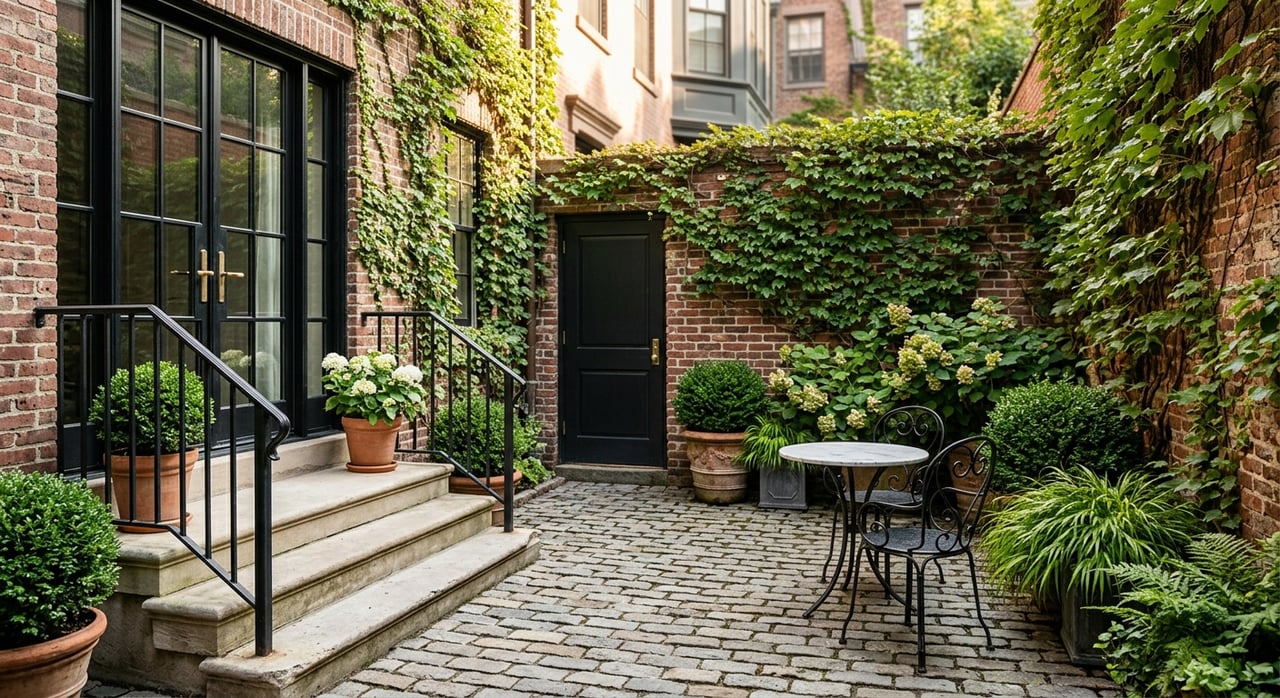
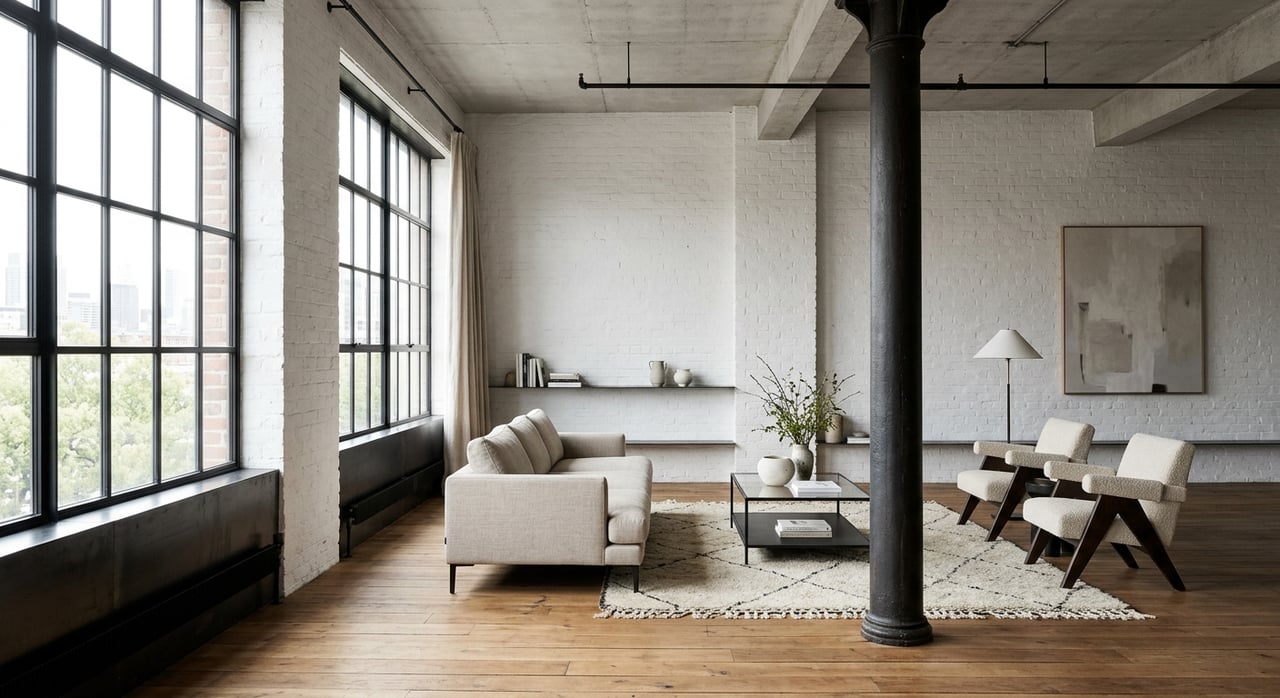
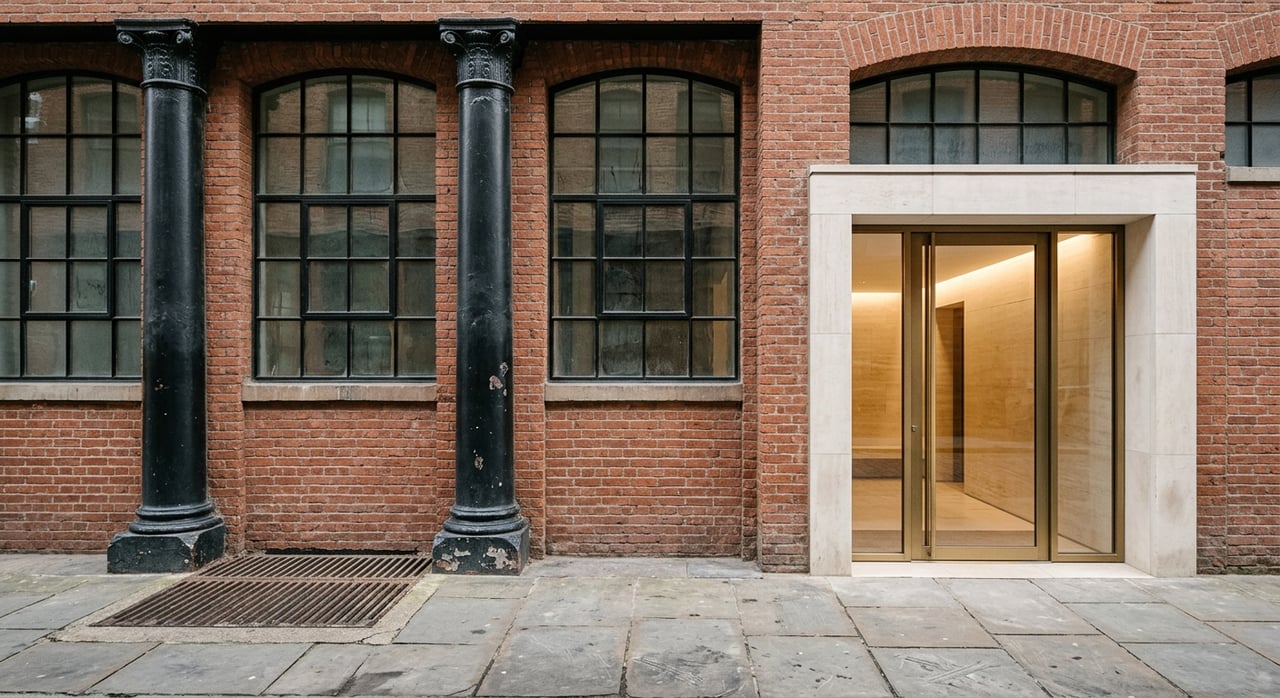
Tribeca, short for Triangle Below Canal Street, pairs preserved warehouse architecture with a modern live-work rhythm. The neighborhood includes four historic districts, North, South, East, and West, with landmark designations spanning 1991, 1992, and 2002.
That preservation framework helps explain why Tribeca still feels visually cohesive. Cast-iron buildings, former warehouse blocks, and broad streets create a setting that feels historic without feeling frozen in time.
The neighborhood also carries deep commercial history. Washington Market Park connects today’s Tribeca to the old Washington Market, established around 1812, which once played a major role in supplying food to the city.
Start Your Morning in Tribeca
A Tribeca morning is easy to picture because the neighborhood supports a simple, walkable loop. You can begin with coffee, add a market stop, and finish with time in the park before the rest of the day unfolds.
Coffee Comes First
Several local cafés help set the tone for the morning. Toby’s Estate at 310 Greenwich opens at 6:30 a.m., Roxy Café at 2 Sixth Avenue opens daily from 6:00 a.m., and Gotan at 130 Franklin opens daily from 8:00 a.m. to 5:00 p.m.
Ol’ Days at 73 Warren adds another option if you want coffee with a more substantial breakfast or brunch feel. Downtown Alliance describes it as a farm-to-table café serving all-day brunch, sandwiches, and coffees.
What matters most is the pattern these places create. In Tribeca, your morning does not have to be rushed. You can ease into the day with a coffee run that leads naturally into the next stop.
Saturdays at Tribeca Greenmarket
If you are in the neighborhood on a Saturday, Tribeca Greenmarket is one of the clearest expressions of local routine. It operates year-round from 8:00 a.m. to 2:00 p.m. on Greenwich Street between Chambers and Duane Streets.
GrowNYC says the market has served the neighborhood since 1981 with locally grown and produced foods, along with cooking demos and family activities. That long-running schedule gives Tribeca a dependable weekend anchor and adds a strong sense of neighborhood continuity.
For anyone trying to understand day-to-day life here, this matters. A greenmarket is not just a place to shop. It is a recurring neighborhood rhythm that shapes how people spend a Saturday morning.
A Park Stop That Fits Daily Life
Just nearby, Washington Market Park adds another layer to the morning routine. Located at Greenwich and Duane, the park is open daily from 7:00 a.m. until dusk.
The park lists a gazebo, community garden, tennis, basketball, three playgrounds, and free community events. In practical terms, that means the park serves more than one purpose, offering space to sit, move, gather, or simply take a break.
This combination of café, market, and park is one of Tribeca’s strongest lifestyle signatures. It makes the neighborhood feel lived-in rather than purely destination-driven.
Midday Means Art, Design, and Browsing
By midday, Tribeca shifts from neighborhood routine to cultural exploration. What makes this part of the day compelling is how easily art, design, and retail browsing blend into a single walk.
A True Arts District
Tribeca Arts District is one of the strongest current indicators of the neighborhood’s cultural identity. Its directory maps 99 verified spaces between Canal Street and Reade Street, and Hudson and Lafayette.
That total includes 77 galleries, 10 cultural spaces, 9 design houses, 2 music venues, and 1 cinema. This is not a small cluster of creative businesses. It is a meaningful concentration that shapes how the neighborhood functions.
The district overview also notes that art moved downtown from Chelsea over the past decade, with a number of established names now concentrated in Tribeca. For you as a visitor, buyer, or local observer, that means art is not an occasional feature here. It is part of the neighborhood’s daily identity.
Design-Led Retail Character
Tribeca’s retail personality reads as curated and design-oriented rather than chain-heavy. Because the current mix emphasizes galleries, design houses, and concept-driven spaces, a midday walk here can feel more like browsing a series of edited interiors than tackling a traditional shopping corridor.
That distinction matters if you are comparing Manhattan neighborhoods. Some places are defined by pace and volume. Tribeca often feels more selective, with spaces that invite slower browsing and a more intentional kind of discovery.
Daytime Activity Extends Into Evening
The cultural energy in Tribeca does not stop when galleries close. The district’s events calendar shows regular programming, including First Friday openings from 6:00 p.m. to 9:00 p.m.
Tribeca Gallery Night in May 2026 featured more than 80 participating galleries. Even if you are out during the day, that schedule helps explain why the neighborhood often feels prepared for a longer cultural arc into the evening.
Evenings in Tribeca Feel Layered, Not Rushed
Tribeca’s evening rhythm tends to center on dinner, conversation, music, film, or a waterfront walk. It feels active, but in a more measured way than neighborhoods built around late-night intensity.
Dinner Options With Range
The local dining scene offers clear variety. Current examples include Max for Italian food, Tiny’s & The Bar Upstairs for American cuisine in a townhouse setting, Yves near the Hudson, Filé Gumbo Bar on Church Street, and Smyth Tavern with fish, a raw bar, dry-aged steaks, pasta, brunch, and outdoor dining.
The takeaway is not that Tribeca has one dominant dining style. It is that the neighborhood offers enough range to support both an easy weeknight dinner and a more occasion-driven evening out.
That flexibility adds to the area’s appeal. A neighborhood feels more livable when it can accommodate different moods without requiring much planning.
Jazz and Cinema Complete the Night
Tribeca Arts District listings show that after-dinner options are built into the neighborhood. The Django at the Roxy and Saint Tuesday are listed as live jazz venues, while Roxy Cinema is listed as a 118-seat arthouse cinema.
This is an important part of the neighborhood’s identity. Tribeca’s nightlife is not defined primarily by clubs. It is shaped more by music, film, and cultural programming that fit naturally into the rest of the day.
End the Day at the Waterfront
For many people, the strongest finishing touch in Tribeca is the river. Hudson River Park gives the neighborhood a wide-open edge that balances the enclosed texture of its historic streets.
Hudson River Park in Tribeca
The park’s Tribeca section runs from Chambers Street to Canal Street and is described as its southernmost neighborhood. This stretch connects the area directly to one of Manhattan’s most active recreational corridors.
Hudson River Park says it draws more than 17 million visits per year and spans four miles along Manhattan’s west side. In Tribeca, that scale translates into easy access to daily outdoor activity rather than just occasional scenic views.
Piers 25 and 26 Add Real Activity
Pier 25 and Pier 26 bring together recreation, lounging, dining, and riverfront exploration. The listed amenities include a boardwalk through native plants, a street-style skatepark, dog run, basketball and tennis courts, sailing, kayaking, mini golf, a marine-science-focused playground, a tide deck, and dining options.
Pier 25 also claims Manhattan’s only 18-hole miniature golf course. Together, these features make the waterfront feel active and useful, not decorative.
If you like neighborhoods where outdoor time can be part of a normal weekday or weekend routine, this is one of Tribeca’s strongest advantages. The river becomes part of how you move through the day.
What a Normal Day in Tribeca Looks Like
Taken together, Tribeca offers one of Manhattan’s clearest compressed lifestyle loops. You can start with coffee, stop at the greenmarket, spend time in the park, browse galleries or design spaces, have dinner nearby, and finish with jazz, film, or a waterfront walk.
That sequence is what gives the neighborhood much of its appeal. Tribeca functions as both a living neighborhood and a cultural district, with enough open space, dining variety, and arts programming to make everyday life feel layered.
For buyers and sellers, that kind of day-in-the-life detail matters because it speaks to how a neighborhood actually supports your routine. If you are weighing lifestyle, walkability, and the balance between privacy and activity in Lower Manhattan, Tribeca presents a distinctly composed option.
If you are considering a move within Manhattan or evaluating how neighborhood lifestyle affects long-term property value and buyer demand, Francine Crocker offers discreet, high-touch guidance grounded in market knowledge and careful advisory.
FAQs
What does a typical Saturday morning in Tribeca look like?
- A typical Saturday morning in Tribeca can include coffee, a visit to Tribeca Greenmarket on Greenwich Street from 8:00 a.m. to 2:00 p.m., and time at Washington Market Park.
What makes Tribeca feel different from other Manhattan neighborhoods?
- Tribeca stands out for its preserved warehouse architecture, four historic districts, concentration of galleries and design spaces, and direct access to Hudson River Park.
Is Tribeca more residential or more cultural?
- Tribeca functions as both, with cafés, parks, a year-round greenmarket, a large arts district, restaurants, and waterfront recreation all supporting daily life.
What kinds of cultural activities can you find in Tribeca?
- Tribeca Arts District lists 99 spaces, including 77 galleries, 10 cultural spaces, 9 design houses, 2 music venues, and 1 cinema, along with events such as First Friday openings.
What can you do along the Tribeca waterfront?
- In the Tribeca section of Hudson River Park, you can enjoy walking paths, native plant areas, courts, a dog run, sailing, kayaking, mini golf, playgrounds, and riverfront dining.
Is Tribeca a good neighborhood for a walkable day?
- Yes. One of Tribeca’s strongest lifestyle advantages is how easily you can move from coffee to market, park, galleries, dining, and waterfront time on foot.