If you are selling a SoHo loft, you are not just bringing square footage to market. You are presenting volume, light, architecture, and provenance to buyers who may be viewing the property from another city or another country before they ever step inside. When your audience is global and time is limited, the listing has to do more work upfront. Let’s look at how to prepare a SoHo loft so it reads clearly, credibly, and powerfully from the first impression.
Why SoHo lofts require a different strategy
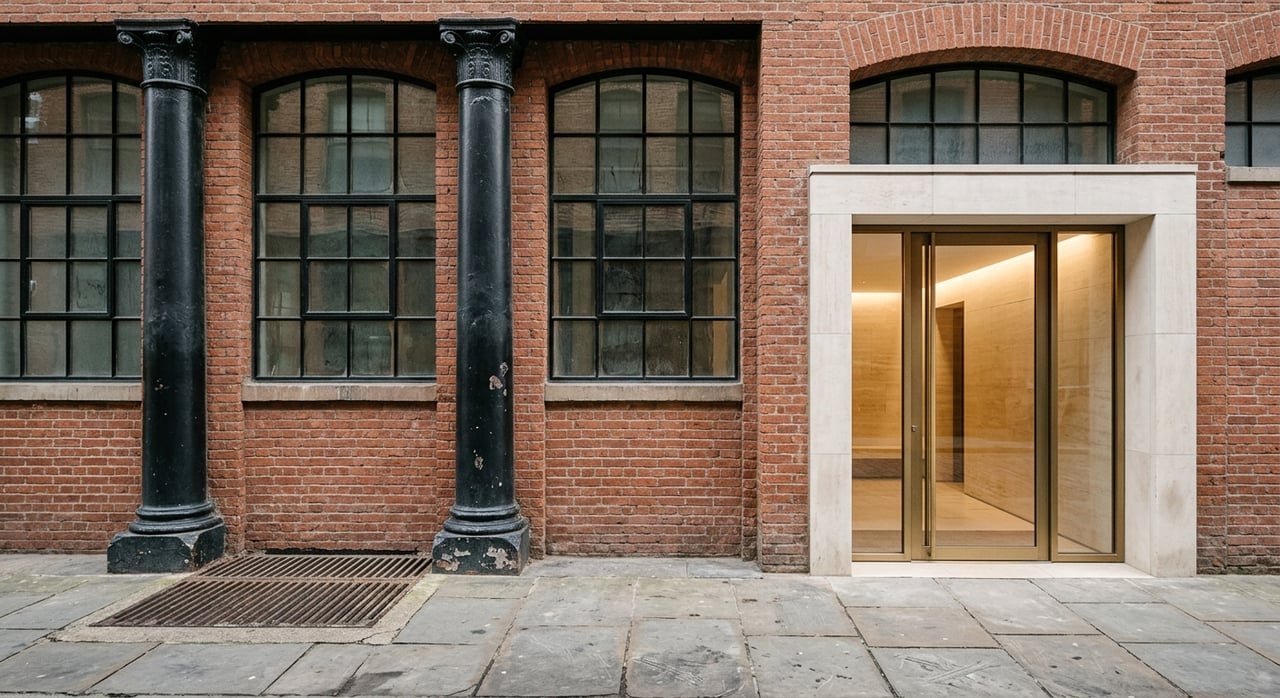
SoHo benefits from a built-in architectural identity that few neighborhoods can match. New York City planning materials describe the SoHo-Cast Iron Historic District as 26 blocks with about 500 buildings and the world’s largest collection of full and partial cast-iron façades.
That context matters because the architecture is part of what buyers are evaluating. These historic store-and-loft buildings were designed with large areas of glass and abundant interior light, which remains one of the neighborhood’s defining features for loft buyers today.
For a seller, that means your marketing should not treat the property like a conventional apartment. A SoHo loft often competes on scale, daylight, structure, and authenticity, not just finishes or room count.
Build the listing around first-screen impact
Many buyers now begin online, and a large share of them make decisions about whether a property merits deeper attention within moments. According to NAR’s 2025 buyer trends report, 83% of internet-using buyers rated photos as very useful, 79% said the same for detailed property information, 57% for floor plans, 41% for virtual tours, and 29% for videos.
That hierarchy is helpful when you are preparing a SoHo loft for broad reach. The first screen should quickly explain the space through strong visuals and concise facts, especially for a buyer who may have limited time in New York.
In practical terms, your media package should feel complete from day one. If a buyer is overseas, they should be able to understand the loft’s basic layout, scale, light, and architectural character before arranging a virtual or in-person showing.
Prioritize photography that explains the loft
Good loft photography should do more than look attractive. It should help a buyer understand how the volume of the home actually works.
In SoHo, that usually means showing:
- Ceiling height
- Column spacing
- Window scale
- Wall length for art
- Movement from entry to living and entertaining areas
- The relationship between natural light and interior volume
This is especially important because lofts can read ambiguously in still images if the framing is too tight or over-styled. Wide, honest, well-composed images help buyers understand proportion and flow.
Use staging to clarify, not crowd
Staging can be valuable when it helps buyers picture the home without competing with its architecture. NAR’s staging data found that 83% of buyers’ agents said staging makes it easier for buyers to visualize a property as a future home.
In a SoHo loft, the goal is usually not to fill every zone. It is to give each area enough definition that a buyer can read living, dining, work, and entertaining uses while still appreciating the openness that makes loft living distinct.
A restrained approach often works best. Furniture, styling, and negative space should support the architecture, not hide it.
Keep images accurate and trustworthy
For a global buyer audience, credibility matters as much as beauty. NAR guidance stresses that listing images should not misrepresent the property, even when light editing such as cropping or color correction is normal.
That is especially relevant for a loft, where scale, views, and material character drive value. If the photography alters those realities, you may generate clicks, but you risk losing trust when the buyer sees the space in person.
Tell the loft’s architectural story clearly
A serious buyer is often evaluating more than finishes. In SoHo, provenance can strengthen the case for why a loft is special and enduring.
The most effective approach is concise and factual. Rather than using vague, romantic language, explain how the home’s structure, proportions, and daylight connect to the neighborhood’s commercial-industrial origins.
Prepare a concise provenance packet
A strong provenance packet can help a buyer move from visual interest to real confidence. It does not need to be long, but it should be organized and useful.
Key elements may include:
- Original construction date
- Prior use, if known
- Architect or builder, if known
- Landmark status
- Restoration history
- Noteworthy original features such as cast-iron ornament, masonry, oversized windows, or exposed structure
This kind of material aligns well with the preservation purpose of the district and helps a buyer understand the loft in a broader architectural context.
Use history to explain present-day value
Official city planning materials note that the district’s large-scale cast-iron factories and stores used skeletal arcaded façades that allowed abundant interior light. That history gives you a factual way to describe why a SoHo loft feels different from a standard apartment.
Instead of leaning on broad adjectives, connect the details. If the loft has oversized windows, long sight lines, exposed structure, or dramatic volume, explain how those qualities reflect the building type that defines SoHo.
That kind of clarity tends to resonate with design-literate buyers. It also helps international prospects understand what, exactly, makes the property distinctive within Manhattan.
Prepare for global interest without losing discretion
A SoHo loft can attract buyers from well beyond New York. NAR’s 2024 report found that foreign buyers purchased $42 billion in U.S. existing homes during the survey period, with 54,300 homes bought, and half of international buyer transactions were all-cash. New York was also among the top U.S. destinations for foreign buyers.
That does not mean every seller wants maximum exposure. It means your marketing should be designed to reach the right audience while still protecting privacy and controlling what enters the public domain.
Decide what belongs online
Before launch, it helps to make deliberate choices about what the public should and should not see. This can include specific rooms, personal items, family details, sensitive documents, or views you prefer not to circulate widely.
That planning matters because listing photos can remain accessible online after a property is sold. NAR notes that sellers who want images removed typically need to work through the listing agent or broker, and post-listing edits are shaped by MLS access rules.
In other words, discretion starts before the listing goes live. The cleanest approach is to publish a curated media package from the outset rather than trying to pull back material later.
Give remote buyers enough to act
Privacy and transparency do not have to conflict. In fact, they often work best together when the materials are curated carefully.
A global buyer usually needs enough information to decide whether to pursue the property seriously. That often means a complete visual set, floor plans, a virtual tour or video, detailed but concise property information, and a provenance summary that gives the buyer confidence in what they are seeing.
When that package is done well, the property can attract broad attention without feeling overexposed. It allows a buyer to move from curiosity to conviction before they commit time to travel or schedule a private showing.
Focus on the features global buyers notice first
International and high-net-worth buyers are often highly fluent in design, branding, and long-term asset quality. In that setting, the presentation of a SoHo loft should be disciplined and intentional.
The strongest listings usually make it easy to answer a few questions immediately: What is the scale? How does the light move through the space? What is original or architecturally meaningful? How has the home been maintained or restored? And what makes this loft recognizably SoHo rather than interchangeable with another downtown property?
If your listing answers those questions quickly, it becomes easier for buyers to see both emotional and long-term value. That is particularly important in a market where provenance and enduring design can matter as much as pure measurements.
A practical pre-launch checklist
Before bringing a SoHo loft to market, it helps to pressure-test the presentation against what a remote buyer actually needs.
Use this checklist as a baseline:
- Confirm the photo set shows volume, windows, light, and layout clearly
- Include a floor plan that is easy to read
- Add detailed property information early, not later
- Consider a virtual tour or video for remote review
- Prepare a concise provenance packet with architectural context
- Remove personal or sensitive details from public-facing materials
- Review all images for accuracy and consistency
- Make sure the listing tells a coherent story from first image to final showing
This level of preparation can improve both reach and buyer confidence. It also signals that the offering has been handled with care, which is often important to serious purchasers.
Selling a SoHo loft to a global audience is ultimately about disciplined presentation. When the architecture is documented clearly, the history is framed factually, and the digital story is both complete and discreet, buyers can understand the asset before they ever cross the threshold. If you are considering how to position a distinctive Manhattan property for the right audience, Francine Crocker offers confidential, high-touch advisory tailored to complex and architecturally significant sales.
FAQs
What makes preparing a SoHo loft different from preparing a standard apartment for sale?
- A SoHo loft often sells on architectural character, light, volume, and provenance, so the marketing should explain those features clearly rather than relying only on finishes or room count.
What listing materials matter most for a SoHo loft with international buyers?
- The most useful materials are strong photography, detailed property information, a readable floor plan, and often a virtual tour or video so remote buyers can understand the space before visiting.
What should photography highlight in a SoHo loft listing?
- Photography should show ceiling height, window scale, column spacing, wall space, circulation, and the way natural light interacts with the loft’s interior volume.
What is a provenance packet for a SoHo loft sale?
- A provenance packet is a concise set of facts about the property, such as construction date, landmark status, restoration history, prior use, and notable original architectural features.
How can a seller market a SoHo loft globally while protecting privacy?
- A seller can use a curated media package, limit sensitive details in public materials, and decide before launch which images, rooms, or personal information should not appear online.
Why does historical context matter when selling a SoHo loft?
- Historical context helps buyers understand why the loft’s light, scale, and structure feel distinctive, which can strengthen both appreciation and confidence in the property.