If you picture tree-lined blocks, a favorite corner coffee shop, and world-class museums within a short stroll, you are already imagining the Upper East Side. Whether you are buying your first Manhattan home or downsizing for simpler living, the UES offers a steady, comfortable rhythm with plenty of daily conveniences. In this guide, you will learn what life feels like from morning commute to weekend routine, plus how buildings, transit, and amenities shape your day. Let’s dive in.
Upper East Side boundaries
For this guide, the Upper East Side refers to the area east of Central Park from 59th Street to 96th Street, with notes on Carnegie Hill just north of 96th. Local usage varies, so you will also hear people describe the neighborhood in bands like 59–72, 72–86, and 86–96, with Carnegie Hill extending from about 96 to 110.
- Lower UES, 59–72: Closer to Midtown, more foot traffic and energy.
- Mid UES, 72–86: Classic residential blocks with boutiques along Madison and quiet side streets.
- Upper UES and Carnegie Hill, 86–96 and north: Calmer pace, townhouse clusters, and museum edges.
Knowing where you plan to spend time helps you choose the right block, not just the right building.
Weekday rhythm
Morning routines
Weekdays start with steady flows toward the Lexington Avenue and Second Avenue subway stations, plus crosstown buses for Central Park and the West Side. Many residents stop at local delis and bakeries for coffee to go, then head south to Midtown or connect to other boroughs. Side streets remain calmer, especially away from the main avenues.
Daytime flow
By mid-morning, you see parents with strollers, retirees on walks, and remote workers shifting between home and neighborhood cafés. Parks and fitness centers get regular use, and doctor visits are common thanks to nearby medical offices and hospitals. Daily life here is intentionally convenient, and many errands stay within a ten-minute walk.
Evenings
Evenings feel relaxed on residential blocks. Madison and Second Avenue carry more dining energy, from casual neighborhood spots to reservation-only rooms. The pace is social but measured, which suits people who want a quieter base with access to culture and dining when they want it.
Weekends and green space
Central Park shapes weekends across the UES. Residents walk, run, take the dog out, and meet friends at familiar corners of the park. If you want to plan your routes and gardens, the Central Park Conservancy is a helpful resource.
On the east side, the riverfront adds a different mood. Carl Schurz Park near Gracie Mansion offers leafy paths and playgrounds along the East River promenade. You can learn more about amenities and hours through NYC Parks. John Jay Park and smaller pocket parks fill in between.
Fitness is part of everyday life for many residents. Community hubs like Asphalt Green on the East 90s anchor youth and adult programs, while boutique studios and larger gyms dot the avenues. The result is a neighborhood where outdoor time and movement are easy to build into your day.
Homes and buildings
Co-ops and condos
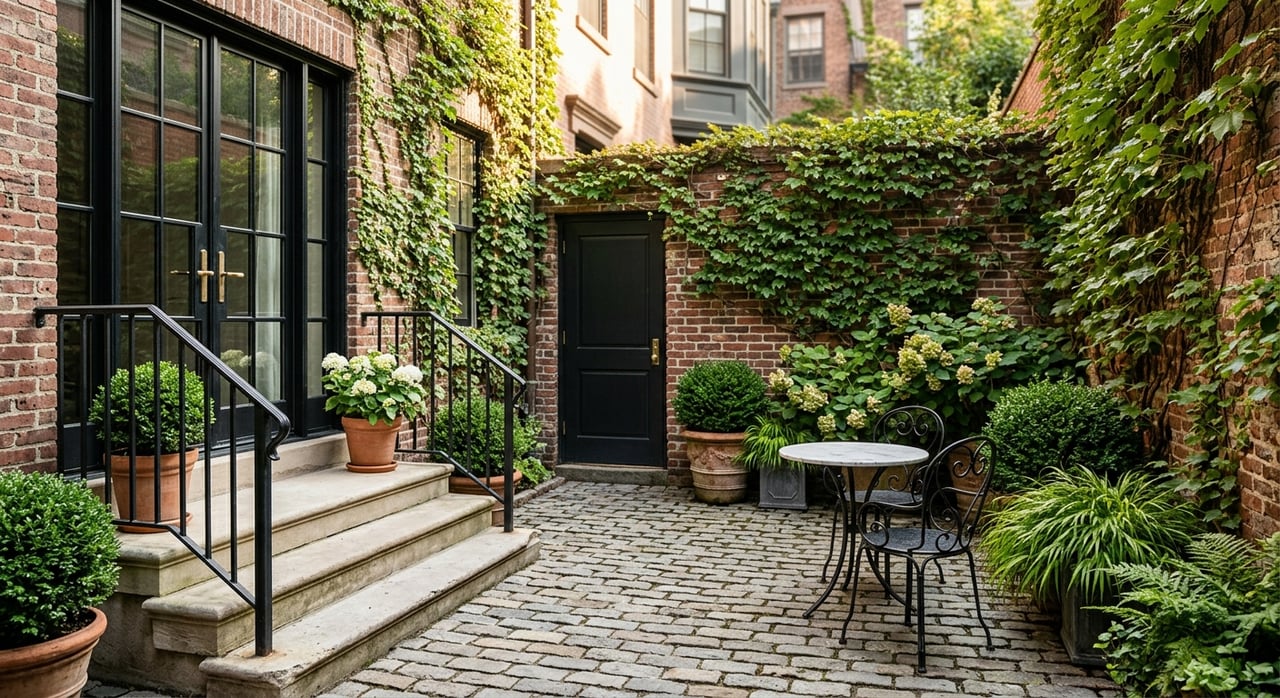
The UES is known for its prewar co-op buildings, many with doormen, classic layouts, and long-term residents. Condominiums and newer towers have grown along Park, Madison, and the East River, often with modern amenities. Townhouses and brownstones, especially around Carnegie Hill, are prized for their residential feel and privacy.
What it means day to day
Co-ops and condos structure daily life in different ways. Co-ops tend to have rules that guide renovations, subletting, and guest stays. Condos typically offer more flexibility. In both, services like doormen, package rooms, storage, and on-site managers reduce daily friction.
Key practical differences you will notice:
- Co-ops often have board approvals that add time and documentation to purchases and renovations.
- Condos usually permit more renting flexibility, which can be useful for second-home owners or investors.
- Amenities vary. Many buildings have gyms, roof decks, or bike rooms, while luxury towers may add pools and private parking.
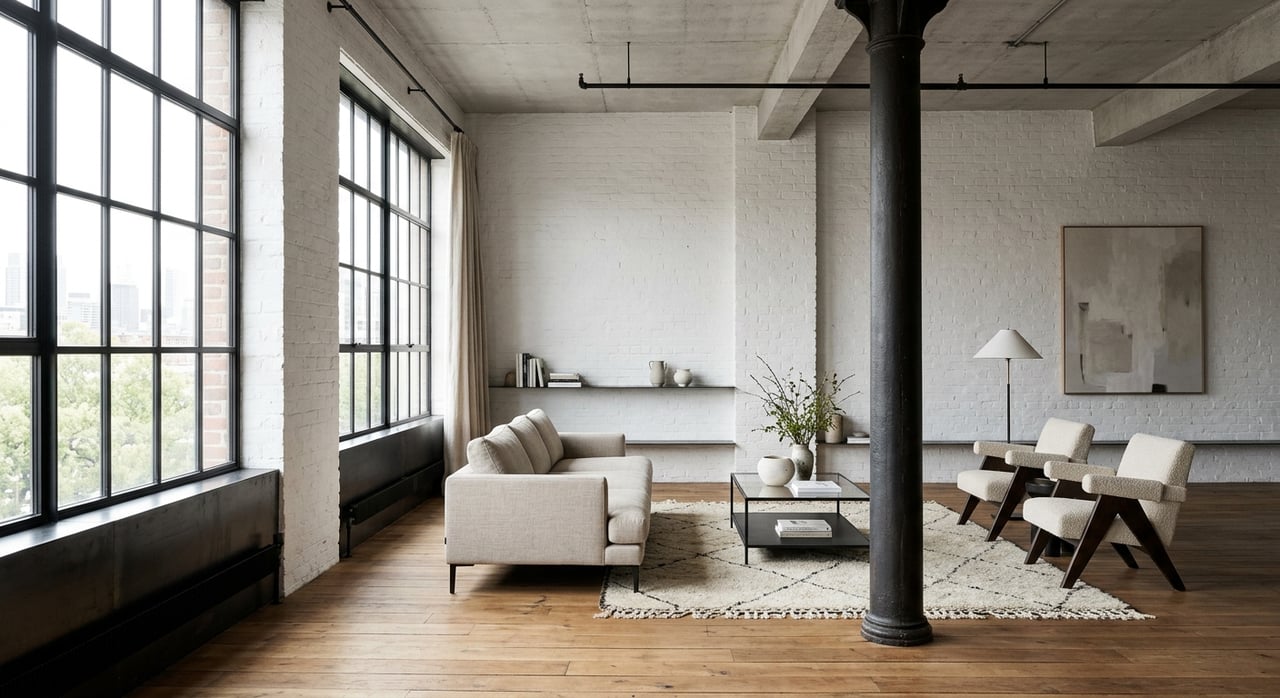
Older apartments may feature high ceilings and prewar detail. Some need updates for central air or modern kitchens. Many buyers plan a targeted renovation to match lifestyle and energy-efficiency goals.
Accessibility for downsizers
If you are downsizing, elevator access, single-floor living, and on-site services can simplify your routines. Newer buildings tend to be more accessible, while some older walk-ups are not. The trade-off for charm versus convenience is very building specific, so it pays to assess access points and everyday logistics before you commit.
Transportation and commuting
The UES is built for walking and transit. The Lexington Avenue line (4/5/6) and the Second Avenue Subway (Q) are the primary north-south routes, supported by crosstown buses like the M86 SBS. To view lines and connections, use the MTA’s maps and service updates.
Transit snapshot:
- 4/5/6 and Q trains for rapid north-south trips.
- Crosstown buses connecting to the West Side, Midtown hubs, and Lincoln Center.
- Taxis and ride-hailing for door-to-door convenience when needed.
Car ownership is less common due to parking costs and street constraints. When residents need a car, they often book a garage space, schedule a car service, or use rentals on demand.
Daily errands and services
Errands stay close to home. You will find multiple supermarkets, specialty food shops, pharmacies, and independent services like dry cleaners and tailors within a few blocks. Seasonal greenmarkets pop up around the neighborhood. For schedules and locations, check GrowNYC’s Greenmarket listings.
Quick daily conveniences:
- Grocery options across avenues, plus delivery for heavier shops.
- Pharmacies, banks, and medical offices within short walks.
- Cafés, bakeries, and delis that make weekday mornings efficient.
Culture at your door
The UES anchors New York’s Museum Mile. The Metropolitan Museum of Art offers a deep calendar of exhibitions and programs. You can explore upcoming shows on The Met’s website. A few blocks north, the Solomon R. Guggenheim Museum adds modern and contemporary rotation, with later hours on selected days that shape evening foot traffic.
Nearby institutions like the Neue Galerie, the Jewish Museum, the Museum of the City of New York, and the Cooper Hewitt bring design, history, and arts into weekly life. Cultural programming makes weekends busier around Fifth Avenue, but residential blocks remain calm by comparison.
Healthcare and education access
Proximity to medical care is a day-to-day advantage of the UES. Lenox Hill Hospital and a wide network of outpatient clinics and specialists sit within easy reach. For academic presence, Hunter College anchors a major CUNY campus in the neighborhood, adding students, faculty, and public programming to the local mix.
Budget and trade-offs
Budgets vary based on location, building type, views, and amenity level. Proximity to Central Park and addresses along Fifth, Park, and Madison generally command premiums. Co-ops can offer lower asking prices per square foot than condos, though governance and approvals differ by building. Ongoing costs include maintenance or common charges, utilities, property taxes, and building assessments where applicable.
Your day-to-day costs reflect lifestyle choices. Eating out, grocery preferences, fitness memberships, and transportation habits will shape monthly spending more than you may expect. Align your building choice with how you actually live, not how you think you might live in two years. That way, you get the services and location that justify your budget.
Downsizing and aging in place
If you are planning to age in place, focus on practical details that reduce friction now and later. Elevators, step-free entries, on-site staff, and access to medical care support independent living. Many downsizers seek one- or two-bedroom layouts with efficient storage and laundry access. Since some older buildings are less accessible, it helps to walk the building entrances, hallways, and elevators and to review policies for in-home modifications.
Is the UES right for you?
Choose the Upper East Side if you want routine, elegance, and everyday ease. You can live quietly on a side street and still be steps from a museum opening, a late dinner on Madison, or a sunrise run through Central Park. For buyers, the key decision is often co-op versus condo and which micro-location fits your pace. For downsizers, access and building services matter as much as square footage.
If you are weighing options or want a confidential sounding board on board approvals, pricing, or a quiet sale, connect with Francine Crocker for boutique, fiduciary-level guidance backed by Corcoran’s reach.
FAQs
Noise levels on the Upper East Side
- Areas near Midtown and major museums see more visitors, while most side streets and residential blocks maintain a quieter, neighborhood feel.
Walkability of the Upper East Side
- The UES is highly walkable, with daily errands, parks, and services typically within a short walk for many addresses.
Car need when living on the Upper East Side
- Most residents do not need a car due to robust subways, buses, taxis, and delivery options, and parking is limited and expensive.
Grocery and pharmacy options on the UES
- Multiple supermarkets, specialty shops, pharmacies, and seasonal greenmarkets serve the neighborhood, with delivery widely available.
Cultural life on the Upper East Side
- The UES offers ready access to major museums, galleries, and programs, making cultural visits an easy part of weekly routines.
Co-op vs. condo living on the Upper East Side
- Co-ops often have stricter rules and board approvals, while condos typically offer more flexibility for renting and renovations, so daily logistics can differ.
Public transit options on the Upper East Side
- The Lexington Avenue line and Second Avenue Subway, plus multiple crosstown buses, provide strong transit coverage for commutes and citywide access.