If you are buying in the West Village, the charm that draws you in can also shape what you can change. A beautiful row house façade, original windows, or a low-rise roofline may be part of what makes the property special, but those same features can affect renovation plans, approvals, timing, and cost. This guide will help you understand how historic buildings work in the West Village, what landmark status really means, and which documents you should review before you make an offer. Let’s dive in.
West Village building types
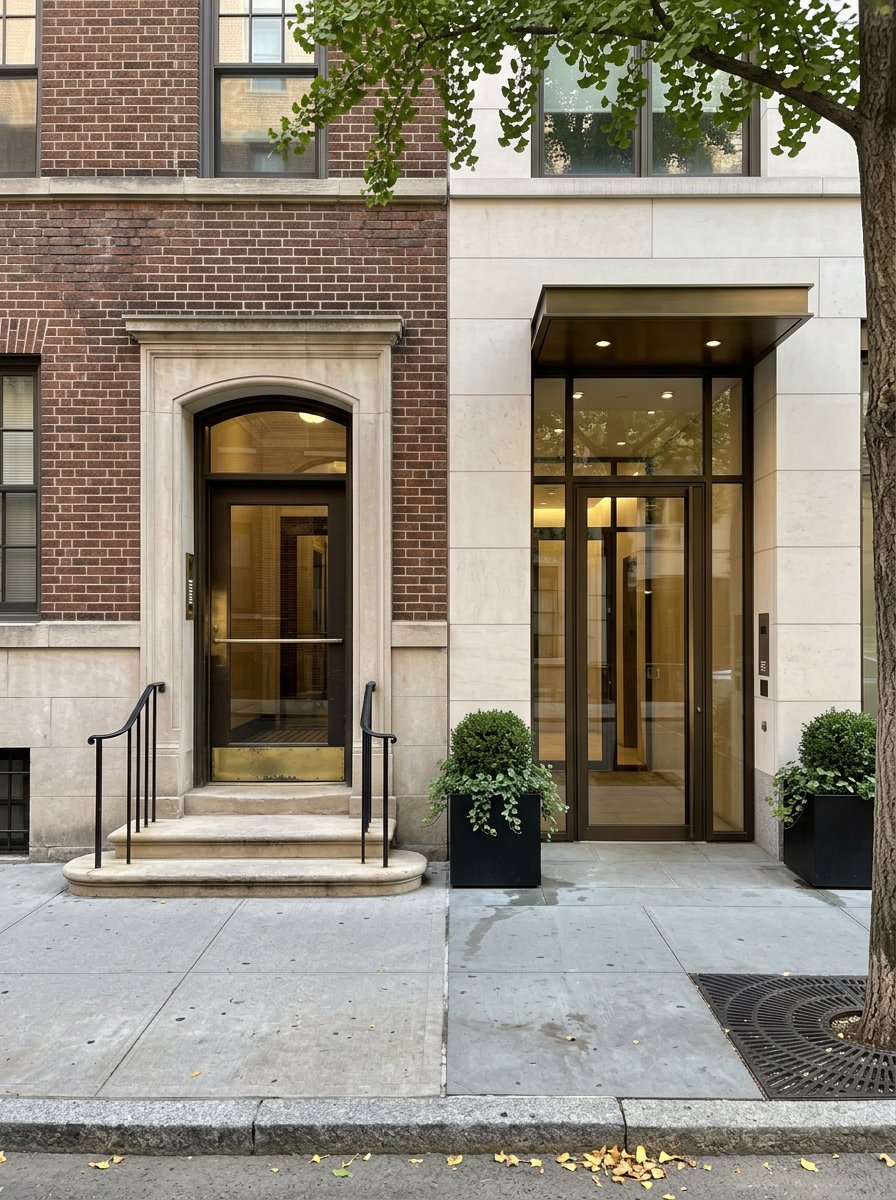
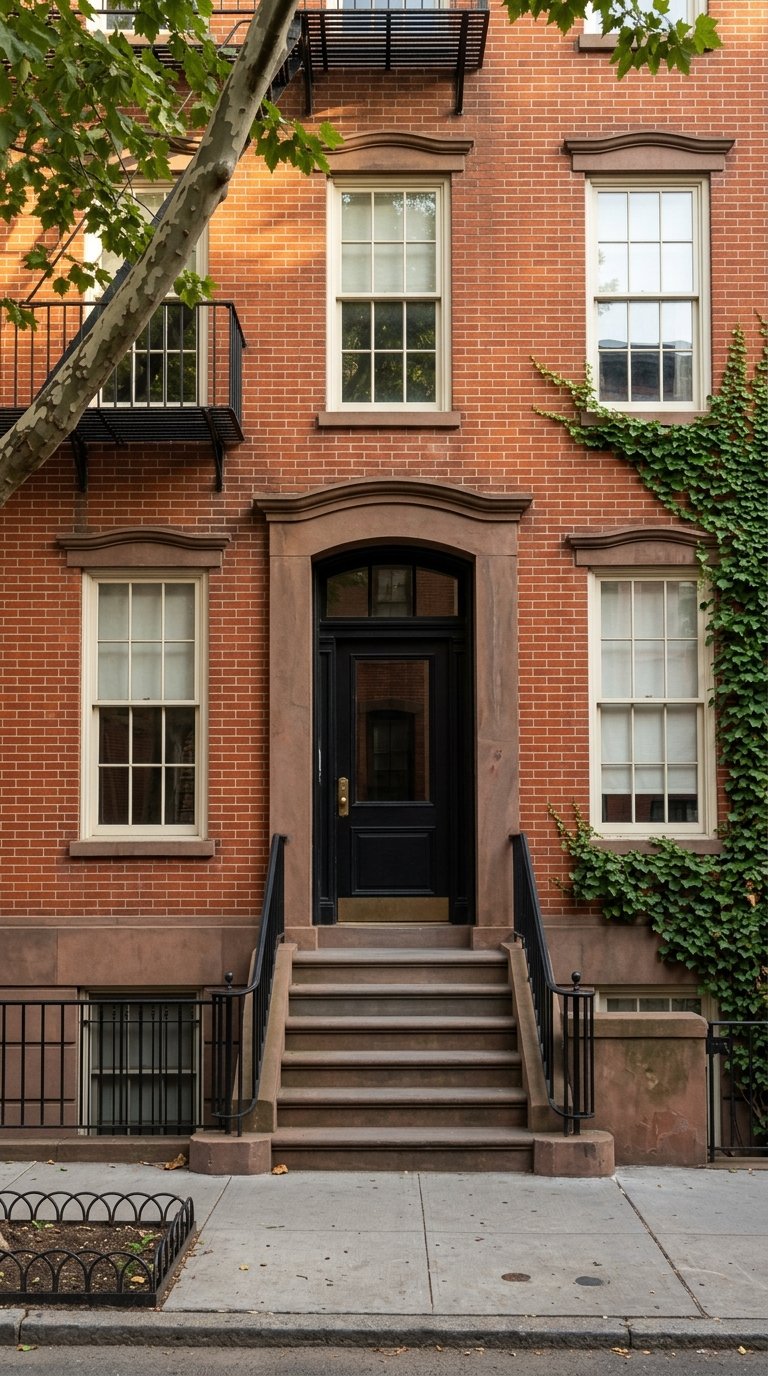
The West Village is known for a historic built environment that feels different from many other parts of Manhattan. New York City planning documents describe the area as having historic row houses and small apartment buildings on tree-lined streets, with some blocks made up mainly of three-story row houses and apartment buildings up to eight stories, often with ground-floor retail. Across the broader Greenwich Village Historic District, the building stock includes Federal-style rowhouses, Greek Revival townhouses, brownstones, converted single-family homes, tenements, and apartment buildings, according to NYC Planning materials.
For you as a buyer, that mix matters. It means two homes on nearby blocks may look similar at first glance but have very different ownership structures, maintenance needs, and renovation constraints. In a neighborhood where architectural character is a major part of value, understanding the building type is a practical step, not just a design preference.
Landmark status explained
In the West Village, some properties are located within historic districts and some may also be individual landmarks. The Landmarks Preservation Commission, or LPC, explains that historic districts are areas with architectural and historical significance and a distinct sense of place, while individual landmarks are standalone structures with architectural, cultural, or historical significance, as outlined in the LPC rowhouse manual.
City planning documents identify several LPC historic districts in the West Village subarea, including Charlton-King-Vandam, MacDougal-Sullivan Gardens, and the Greenwich Village Historic District and Extension II. Before you assume what is or is not landmarked, it is smart to verify the exact address using the Discover NYC Landmarks map, which shows individual landmarks, historic districts, and building-level information within those districts.
What designation means for owners
A common misconception is that landmark status means a building can never change. That is not the case. LPC states that landmark designation does not freeze a building or an area. Alterations, demolition, and new construction can still happen, but LPC must determine whether the proposed work is appropriate, according to the agency’s landmark designation guidance.
For owners, landmark status does come with responsibilities. LPC requires owners to keep landmarked property in a state of good repair, and the agency may issue violations for neglect. That means your due diligence should include not only what you hope to do with the property, but also what condition the building is in today.
Renovation rules to know
If you are thinking about changing a West Village property, exterior work is usually where landmark review becomes most relevant. LPC approval is required for exterior restoration, in-kind replacement, alteration, reconstruction, demolition, or new construction affecting an individual landmark or a building in a historic district, including work that is not visible from the street, according to LPC’s permit types overview.
That scope often surprises buyers. In practical terms, the questions that come up most often involve windows, façades, rooftop additions, HVAC louvers and vents, rear-yard changes, and other exterior elements. In low-rise West Village buildings, these changes can be especially visible, which is one reason the review process matters.
Interior work can also trigger LPC review in some cases. LPC notes that permits may be required for interior work that needs a Department of Buildings permit, affects the exterior, or affects an interior landmark. Even if DOB self-certification might otherwise be allowed, landmark approval can still be required.
What usually does not need approval
Not every repair requires a formal landmark application. LPC says ordinary exterior repairs and maintenance, such as replacing broken window glass or removing small amounts of painted graffiti, generally do not need approval. In emergencies, temporary protective measures like boarding windows or installing tarps are allowed, though permanent repairs still need permits under LPC’s permits and alterations guidance.
This distinction matters when you are budgeting and planning. Small maintenance items may be straightforward, while larger projects can involve added review time, consultant input, and coordination with building management or a board.
Staff approvals versus Commission review
Not all LPC applications move through the same process. For conforming work, LPC staff can issue staff-level permits, including Certificates of No Effect and Permits for Minor Work. If a proposal does not fit staff-level rules, it can go to the full Commission for a Certificate of Appropriateness, as described on LPC’s permit types page.
That is useful context if you are comparing properties with renovation potential. LPC says most approvals are handled at staff level, but the path can still differ depending on the type of work and the building involved. For a buyer, that can affect renovation timing, design flexibility, and carrying costs.
Co-op and condo approvals
In the West Village, landmark review is often only one part of the approval picture. You may also need to navigate the building’s own governance process. A practical way to think about many purchases is that there are often two separate review tracks: building approval and, if the property is landmarked, LPC approval for the work.
That matters because a board can have its own rules about alterations, timing, contractors, and submissions. The New York Attorney General explains that co-op boards must follow the co-op’s bylaws, proprietary lease, certificate of incorporation, and house rules, while condo boards must follow the condo’s bylaws, declaration, and house rules and exercise prudent business judgment, according to the AG’s co-op and condo board guidance.
Documents to review before an offer
When you are serious about a purchase, the right documents can tell you far more than a showing ever will. The Attorney General advises buyers to request the offering plan and current governing documents because older offering plans may not include the latest rules. In condos, the Board of Managers must make the declaration, bylaws, floor plans, and rules available for inspection, while in co-ops the board, managing agent, or another shareholder may provide the bylaws and proprietary lease, according to the AG’s board directors publication.
The most useful items to review include:
- The offering plan
- Current bylaws
- Proprietary lease for a co-op or declaration for a condo
- House rules
- Annual meeting and election rules
- Sponsor control information
- Special-meeting rights and quorum rules
- Amendment thresholds
- Sublet provisions
- Restrictions on unit use
- Repair obligations
These documents can help you understand not just whether you can buy the apartment, but how you can live in it, renovate it, finance it, or hold it over time.
Why board minutes matter
Board minutes are one of the most practical due diligence tools available to buyers. The Attorney General notes that minutes of board meetings are a valuable source of information because they often describe existing defects. Recent financial reports may also contain footnotes about repair costs, as explained in the AG’s buyer guidance for co-ops and condos.
In older West Village buildings, that can be especially important. The AG flags façade, roof, elevator, plumbing, electrical, and boiler repairs as common expensive items in existing buildings. Even if the unit itself appears move-in ready, shared building systems can still affect your future costs.
Priority checks in older buildings
Historic buildings can be deeply appealing, but they require disciplined review. Before you move forward, treat these areas as priority inspection and diligence items:
- Façade condition
- Roof condition
- Elevator repairs, where applicable
- Plumbing systems
- Electrical systems
- Boiler condition
- Any planned capital work
- Whether upcoming work could affect carrying costs or timing
If the unit is part of a sponsor sale or conversion, read carefully. The Attorney General says the sponsor must have the building evaluated by an engineer and disclose defects visible to that engineer or known to the managing agent, and buyers should rely on the full offering plan rather than brochures or verbal promises, as noted in the AG’s co-op or condo buyer resource.
A practical West Village buyer checklist
If you are considering a historic West Village purchase, this checklist can help you stay organized:
- Confirm the exact address on the LPC landmarks map.
- Ask whether your planned work would require LPC approval in addition to building approval.
- Focus early on windows, façades, roofs, additions, vents, and rear exterior changes.
- Request the offering plan and current governing documents.
- Review recent board minutes and financial reports for repair issues and cost disclosures.
- Confirm whether sponsor control still exists.
- Evaluate whether upcoming repairs could affect monthly costs or renovation timing.
- Prioritize inspection of façade, roof, plumbing, electrical, boiler, and elevator systems where relevant.
Why guidance matters in historic purchases
Buying in the West Village is often as much about process as product. The right apartment or townhouse may come with layers of review that are manageable, but only if you understand them early. Clear diligence around landmark status, board governance, and building condition can help you avoid surprises and make decisions with more confidence.
For buyers considering architecturally significant or board-sensitive properties, careful planning can protect both your timeline and your flexibility after closing. If you want discreet, well-structured guidance as you evaluate a West Village purchase, Francine Crocker can help you approach the process with clarity.
FAQs
What does landmark status mean for a West Village apartment or townhouse?
- Landmark status means changes may still be possible, but certain work must be reviewed by the Landmarks Preservation Commission to determine whether the proposal is appropriate.
How can you check whether a West Village address is in a historic district?
- You can verify the exact address using the LPC’s Discover NYC Landmarks map, which shows historic districts, individual landmarks, and building-level information.
What renovations usually require LPC approval in the West Village?
- Exterior work such as window changes, façade work, rooftop additions, rear alterations, vents, and some other building changes often requires LPC review.
Do West Village co-ops and condos have separate renovation approvals?
- Yes. In many cases, you may need both building approval under the co-op or condo rules and LPC approval if the property is landmarked.
Which documents should you review before buying a West Village historic property?
- You should review the offering plan, current bylaws, proprietary lease or declaration, house rules, recent board minutes, and recent financial reports.
What building problems should buyers watch for in older West Village properties?
- Priority items include façade, roof, elevator, plumbing, electrical, and boiler issues, along with any planned repairs that could affect costs or timing.