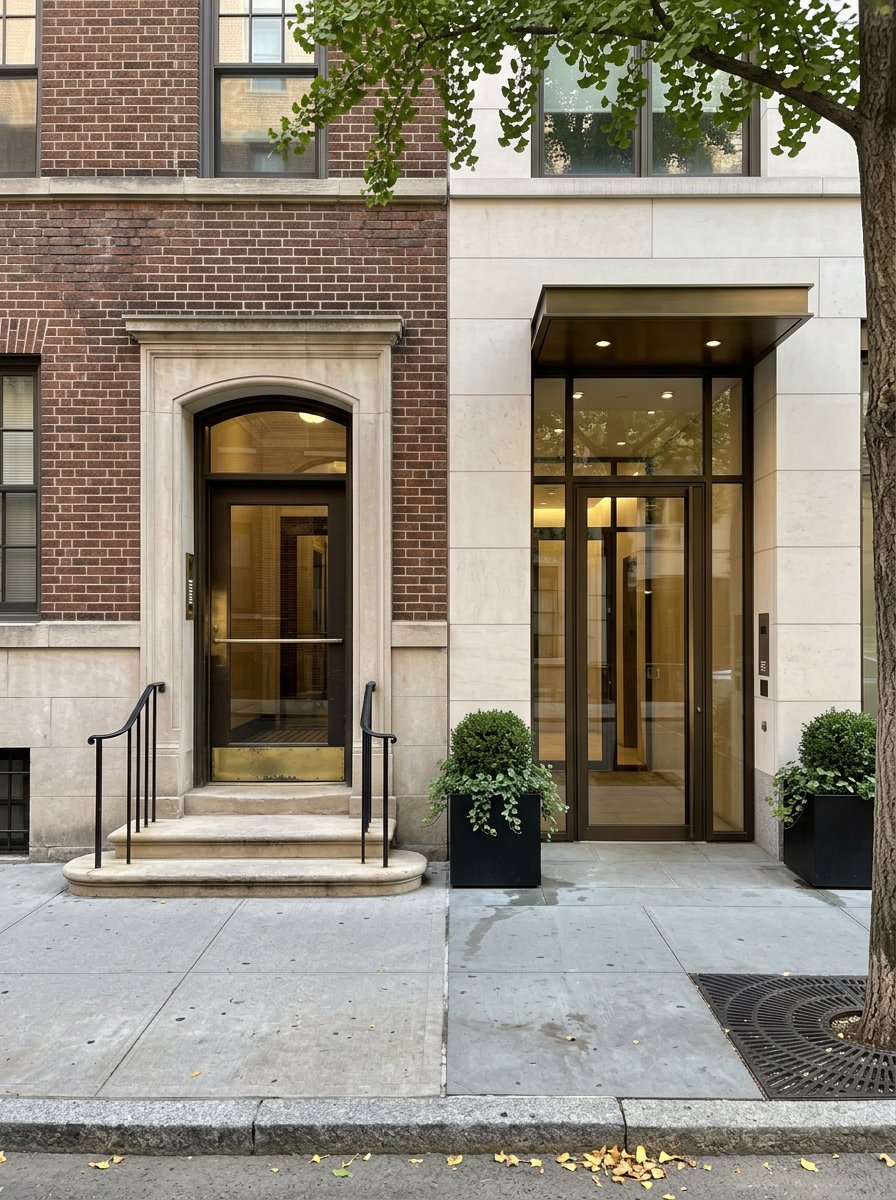
Selling a classic Upper East Side co-op today is not just about putting a number on it and posting photos. Buyers are selective, boards are careful, and privacy matters more than ever. If you want to move from listed to sold with confidence, you need precise pricing, focused prep, and a marketing plan that respects both your time and your building. In this guide, you’ll see how to position your co-op for today’s buyer pool and protect your net. Let’s dive in.
What today’s UES buyers expect
The Upper East Side sits east of Central Park from roughly 59th to 96th Streets and is known for prewar co-ops with formal galleries, separate dining rooms, and attentive service. At a neighborhood level, recent data shows a median home price around $1.71M and a typical market time near 97 days. Performance varies by building class and micro-market, so your strategy should focus on the exact line, floor, and condition of your apartment.
Citywide, co-op activity has rebounded, and cash remains a major force in Manhattan. That mix shapes how you price and present your home. Well-positioned, move-in ready co-ops tend to draw more serious attention, and competitive bids often cluster around the best-presented listings, as recent reporting notes about buyer composition and sales momentum (Manhattan sales patterns and buyer mix).
Buyer profiles you will likely see
- Longtime New Yorkers and families who value layout, room count, and storage.
- Downsizers and second-home buyers who love prewar details but want turnkey condition.
- Some younger, well-capitalized buyers who trade condo flexibility for location and prestige, with the understanding that boards prioritize stability and long-term occupancy.
Price with building-level precision
Start with your building, line, and view
For co-ops on the UES, you should build your pricing from the inside out. Begin with recent sales in your building, then expand to immediate neighbors only if you lack clean comps. Apply specific adjustments for:
- Floor height and orientation, especially if there is a park, skyline, or courtyard view.
- Renovation level and original details in good condition.
- Amenity set and service, including storage, staff, and lobby quality.
- Monthly maintenance, assessments, and any underlying building debt.
- Buyer-friendly features like in-unit washer/dryer capability, sublet rules, and pet policies.
This approach keeps you aligned with how buyers and boards compare value in prewar product rather than relying on broad neighborhood averages.
Frame the monthly math buyers and boards use
Co-op boards typically evaluate buyers using monthly carrying costs plus liquidity. That means mortgage payment plus maintenance, with any building debt factored in. Practitioner guidance often cites a need for post-closing liquidity equal to 12 to 24 months of carrying costs, alongside conservative debt-to-income targets. Presenting this math up front helps attract board-ready buyers and can reduce failed applications. For additional context on how buyers prepare for co-op approval, see these practical tips on co-op board readiness (co-op board approval tips).
Show the net: seller costs to surface early
You protect your price by being clear about net proceeds from day one. Your attorney and agent should assemble a simple seller net sheet that includes:
- New York City Real Property Transfer Tax and New York State transfer tax
- The state mansion tax on purchases at or above the legal threshold
- Any building flip tax
- Brokerage and attorney fees
- Outstanding assessments or maintenance adjustments at closing
A clean net sheet lets you model different list prices and offer structures with clear eyes. It also avoids surprises when you receive a serious offer.
Make the right pre-market updates
High-ROI refreshes that sell co-ops faster
Buyers want move-in ready, but you do not need a gut renovation to compete. Focus first on the highest-impact, lowest-disruption work:
- Declutter, depersonalize, and deep clean
- Neutral repaint with crisp trim and ceiling touch-ups
- Refinish floors and update tired hardware and lighting
- Refresh kitchens with refaced cabinets, modern counters, and new appliances
- Refresh baths with new fixtures, regrout, and glass where appropriate
Staging and targeted cosmetic work can reduce time on market and support stronger offers, according to national research on buyer behavior and presentation (NAR staging and media insights).
When to skip the gut reno
Major kitchen and bath overhauls often produce a lower percentage return than thoughtful midrange refreshes, especially right before listing. In many UES buildings, buyers prefer to customize to their taste. Your comps will tell you whether a full renovation is justified or if a light, clean, and neutral presentation is the better financial move.
Know your building rules
Adding a washer/dryer, relocating plumbing, or changing layouts can require board approval and permits. These projects can slow or complicate a sale. If you are considering any building-level work, treat it as a conversation with management and your attorney before you start.
Present prewar space beautifully
Photography, floor plans, and virtual tours
At a minimum, your listing should include professional photography, a clear and accurate floor plan, and a virtual tour or 3D scan. These assets help buyers understand traditional prewar flow and reduce unnecessary showings. Research shows that strong visuals and staging drive buyer engagement and can shorten market time.
Stage for scale and flexibility
- Use furniture that fits the room to showcase proportion and light.
- Present the gallery and formal rooms with a modern twist, such as a dining room that flexes to a library or home office.
- Keep finishes neutral and highlight original details like moldings, mantels, and inlaid floors.
- Use twilight shots for skyline or park views and bright daytime images elsewhere.
- For privacy, consider high-quality virtual staging to let qualified buyers self-select before an in-person visit.
Market with discretion and reach
Choose a compliant path
If any public marketing occurs, MLS rules require that the listing be filed within one business day. The Clear Cooperation policy also allows for limited paths such as office-exclusive or delayed marketing, each with tradeoffs in visibility (NAR Clear Cooperation policy overview). Your plan should balance discretion with the reach needed to support your price.
Privacy-first tactics that still protect price
- Pre-screen buyers with lender pre-approvals or proof of funds.
- Provide a confidential marketing deck after a signed NDA and broker vetting.
- Use curated broker-to-broker previews and targeted outreach to agents who bring board-ready buyers.
- Control showings with scheduled appointments only and building-approved hours.
If you prefer selective or off-market exposure, understand how pocket-style marketing works, and document outreach to remain compliant while preserving leverage (how pocket-style marketing works and its tradeoffs).
Align your language with board realities
Avoid implying that changes are allowed when they require board approval. If subletting, LLC purchases, or short-term rentals are restricted, make that clear in your listing materials or confidential deck. Present buyers as stable, long-term residents with complete, accurate financials to help the post-contract board process go smoothly (practical co-op board guidance).
A 6 to 8 week plan for a smooth sale
- 6 to 8 weeks out: Validate building-level comps, decide on public versus office-exclusive marketing, consult your attorney on transfer taxes and any building flip tax, and build a seller net sheet. Start cosmetic work and gather building documents.
- 2 to 4 weeks out: Finalize staging for key rooms, book professional photos, floor plan, and a virtual tour. Prepare a confidential deck with photos, plan, and a simple carrying-cost table. Line up board package templates and timelines.
- Listing period: Control access with pre-screened showings, and require financial packages with offers. If you opt for public marketing, stay within the one-business-day MLS rule. If you go office-exclusive, accept reduced portal exposure in exchange for discretion and tighter buyer vetting.
Why work with Francine on the UES
Selling a co-op is as much about governance, timing, and buyer screening as it is about price. You benefit from a single, board-fluent advisor who will price with precision, design a quiet but effective marketing plan, and negotiate every step with care. If you are preparing to sell a Park Avenue classic, a Carnegie Hill prewar, or a boutique co-op east of the park, you deserve fiduciary-level counsel backed by national reach.
Ready to talk strategy for your apartment and timeline? Request a Confidential Consultation with Francine Crocker.
FAQs
What should UES co-op sellers know about pricing today?
- Start with building and line-specific comps, then adjust for floor, view, condition, maintenance, and assessments. Neighborhood medians are context only, not your pricing target.
How do co-op boards evaluate buyers and why does it matter to me?
- Boards look at monthly carrying costs and post-closing liquidity, often aiming for conservative debt-to-income ratios and 12 to 24 months of reserves. Marketing to board-ready buyers can shorten time on market and reduce fall-throughs.
Which pre-market updates deliver the best ROI in prewar co-ops?
- Focus on decluttering, neutral paint, floor refinishing, and light kitchen and bath refreshes. Staging and strong visuals often increase interest and reduce days on market, per national research on buyer response to presentation (NAR staging insights).
What are the main seller closing costs for a NYC co-op sale?
- Expect New York City and State transfer taxes, potential mansion tax on qualifying purchases, any building flip tax, broker and attorney fees, and adjustments for assessments or maintenance. Have your attorney confirm current rates before you list.
Can I market my co-op quietly without hurting the final price?
- You can choose an office-exclusive path with curated outreach and strict buyer vetting. Understand the visibility tradeoffs and the MLS Clear Cooperation rules so you stay compliant while protecting leverage (policy overview).
Why do photos, floor plans, and virtual tours matter so much for prewar apartments?
- They help buyers understand classic layouts and flow, highlight room scale and light, and reduce unnecessary showings. Strong staging and media can also support higher offers and faster sales, according to national research.